Thursday, March 10, 2011

A tasting stroll of delicious and intriguing wines


Photo: Steve Wyse

Those who get to taste the wines of British Columbia are fortunate indeed.

Someone observed to me recently that this province is a “rare and special place” for wine production. Most of us who live here have been believers for at least 20 years.

What makes it special? The vineyards are among the most northern in the world. Conventional wisdom in the 1960s and 1970s was that the Okanagan (80% of our vineyards are there) was too cold to grow the classic European varieties.

The fact varieties such as Merlot, Syrah, Pinot Gris and Gewürztraminer now flourish here is not due to global warming but because the growers have learned how to grow those vines.

The long, warm days and the cool nights of the Okanagan and Similkameen is the combination that yields mature grapes with vibrant flavours and good acidity. Our wines routinely have alcohol levels between 13% and 15% (which is sometimes too high). Compare that to the lower alcohol levels of Germany’s whites, also grown as far north as the Okanagan.

The Okanagan and the Similkameen are unique terroirs. The two mountain ranges between these valleys and the coast shelter the valleys from the rainfall that is so abundant on the coast. The long, narrow valleys trap the heat each day during the dry growing season while the clear, unpolluted skies allow it to dissipate at night. Grapes thrive in this.

This reflection leads me to offer notes on a range of wines that I have tasted over the last two months, or so, that I am happy to recommend as examples of what makes the Okanagan a “rare and special place.”

Let’s start with three reds from Young & Wyse, an Osoyoos winery that opened a couple of years ago. Winemaker Steve Wyse is a former winemaker at Burrowing Owl Estate Winery. There does indeed seem to be a family resemblance between the wines he used to make there and those he now makes in his own shop.

Young & Wyse Collection Merlot 2009 ($19.90) has flavours and aromas of black currants, tobacco and chocolate. The structure is firm, indicating that this wine needs to be cellared for a few more years to allow the sweet fruit to express itself. Decanting works for the impatient. 89.

Young & Wyse Collection Syrah 2009 ($22.90) begins with aromas of white pepper, cherries, blackberries and coffee. The flavours are plumy, with complex notes of leather and delicatessen meats. 90.

Young & Wyse Collection 2009 Black Label 33-30-24-13 ($26.90). No, this is not a fertilizer. The numbers are the percentage of each varietal in the blend – in descending order, Merlot, Syrah, Cabernet Sauvignon and Cabernet Franc. There is mint, pepper and bright berry aromas and delicious fruit flavours on a bed of long, ripe tannins. 92.


Let’s move over to the Naramata Bench and Van Westen Vineyards, a six-year-old winery that won a Lieutenant Governor’s Award for Excellence last year. The wines have developed a strong fan base, both for reliable quality and because the owners, Rob and Tammi Van Westen hand deliver their wines to the Vancouver market.

There is nothing like personal service to make a connection with consumers. It always amazes me that many Okanagan wineries prefer to depend on DHL to deliver the wine. I like my DHL man but we never talk much about wine (or anything else, for that matter).

Van Westen Viognier 2009 ($24.90) is exactly the wine, with its 14.7% alcohol, that shows just how ripe a good Okanagan grower can get his fruit. The wine gets away with its potent alcohol because it is so rich, with flavours of guava, pineapple, butter and apricots. 88.

Van Westen Vivacious 2009 ($18.90). Primarily Pinot Blanc, this is a crisp and, yes, vivacious white with aromas and flavours of apples and a backbone of minerality. 88.

Van Westen Vino Grigio 2009 ($18.90). This is a crisp and refreshing Pinot Gris, with citrus aromas and flavours, along with hints of pears and apples. 88.

Van Westen Vivre la Vie 2007 ($27.90). As you know, every Van Westen wine has a name beginning with “V”. This wine is 100% Merlot. It is a big, ripe wine with 14.9% alcohol but so much fruit and chewy texture that there is no heat on the finish. The wine begins with abundant red berries on the nose. Its layered flavours include currants, blackberries and plums with hints of chocolate and vanilla on the finish. 90.

Van Westen Voluptuous 2007 ($29.90). You like them ripe? Try 14.8% alcohol, 18 months in oak. I found this wine – 67% Merlot, 33% Cabernet Franc – fairly tight straight from the bottle. Decanting definitely benefited the wine, which then showed a fleshy texture and flavours of sweet red berries framed by oak. On the finish there were notes of chocolate, tobacco and cedar. 88.


Staying on the Naramata Bench, let’s look at three current releases from Red Rooster Winery. This winery was started by Beat and Prudence Mahrer but was purchased in 2005 by Andrew Peller Ltd. The new owner named Karen Gillis, one of their rising stars, as the winemaker.

Because the estate vineyard is actually quite small, Red Rooster draws grapes from all over the south Okanagan, given Karen a lot of options.

The clever marketing ploy here is to have customers and potential customers sign onto the email list. Every so often, the winery offers worthwhile new releases first to this list, always at a discount.

Red Rooster Reserve Meritage 2008 ($24.99) is one of those rare Meritage wines built around Cabernet Franc – 58%, along with 33% Merlot and 4% Malbec. The wine has aged 14 months in oak, mostly older American oak barrels. There are aromas of vanilla and blackberries. On the palate, the wine is full-bodied with ripe tannins and the brambly flavours typical of Cabernet Franc. 88.

Red Rooster Riesling 2009 ($15.99). The grapes for this wine came from Inkameep Vineyards at Oliver. This is a big, almost fat white with 14% alcohol but also with a touch of residual sugar. The nose and the palate have aromas and flavours of honey and marmalade. 88.

Red Rooster Chardonnay 2009 ($16.99). This wine acted almost like a red wine: a bit restrained when first poured, it opened gradually to show aromas and flavours of tangerine, with a hint of butter. 88.


Photo: Summerhill Winery's pyramid

Moving to Kelowna, Summerhill Pyramid Winery focuses primarily on organic grapes and wines.

Summerhill Organic Chardonnay 2009 ($22.95) is light and vibrantly crisp, with citrus notes and with a surprisingly moderate 10.9% alcohol. Think of this as an Okanagan Chablis. 86.

Summerhill Cabernet Sauvignon 2007 ($26.96). There is no information on the winery web site on the source of the grapes but the 14.6% alcohol and the ripe flavours are hallmarks of the south Okanagan. And this wine’s quality also reminds us that 2007 was one of the best recent red vintages in the Okanagan. Dense in texture, this wine has flavours of black currants, figs, black chocolate and tobacco. The wine remaining in the bottle opened up very well overnight, making the case for decanting. 89.

As special as the Okanagan is, one must admit that very fine grapes also grow in California. New Westminster’s Pacific Breeze Winery makes its red with California grapes and does a very good job. The wines are bold and, in recent years, some of the labels are equally bold.

Pacific Breeze Killer Cab 2008 ($22.99) is notable for its bright yellow label as well as for the gobs of sweet fruit – black currant, blackberry, plum and spice. 88+

Pacific Breeze Big Red 2008 ($24.99 but sold out) is a brawling, robust wine with 14.7% alcohol, aromas of vanilla and iodine, and flavours of plum and currant s and chocolate and tobacco. 88.

Pacific Breeze Vin de Garagiste P3 Cabernet Sauvignon 2007 ($19.99) comes at you like a broadside, with 15.4% alcohol and tons of port-like fruit. Don’t try finishing the bottle alone – but wine like this is meant to shared anyway. 88.

Wednesday, March 9, 2011

Okanagan Crush Pad will incubate new wineries


Photo: Christine Coletta

Legendary for her contributions to successful British Columbia wineries, Christine Coletta has come up with another ground breaker: an incubator winery.

Along with several partners, she has announced the Okanagan Crush Pad Winery, to be open by this fall. At least four labels will be produced here, including her own Haywire Winery, which began marketing its wines last year.

This is not the Okanagan’s only custom crush or incubator winery but the concept is not as developed as it should be due to barriers in liquor licensing regulations. Coletta and her colleagues, one of whom is David Scholefield, have asked for a meeting with the regulators to resolve the grey areas.

She has the necessary credibility with both government and the wine industry; as executive director of the British Columbia Wine Institute in the 1990s, she played a central role in putting B.C. wine on the map. The future for incubator winemaking looks a lot more promising than the past.

Adora Estate Winery, which opened in 2003, was the Okanagan’s first custom crush winery, producing wines for other wineries (such as Calliope, Morning Bay, Cellars at the Rise, Aces Wine Group) and for its own label. In the past two years, Adora has wound down its activities but plans to relaunch with a new label, a new Summerland winery and new clients.

Various individual wineries have incubated others over the years. JoieFarm and Painted Rock Estate Winery made their first vintages at Poplar Grove Winery, for example. Foxtrot Winery had its first three vintages made at Lake Breeze Vineyards before building its own cellar.

Last year, Alan Dickenson and several partners opened Alto Wine Group in Okanagan Falls. It makes wine for labels that the partners are launching and it offers custom crush services to other boutique producers.

Proper accommodation and regulations for incubator wineries is long overdue. There are successful models operating in the United States, New Zealand and no doubt elsewhere.

Regulations in British Columbia require land-based wineries to have at least a minimal vineyard and a processing facility on the same site. That has not been enforced strictly (thank heaven). Neither Sandhill Wines nor Prospect Winery ferment wines on their vineyards; they ferment their wines in the commercial wineries owned by their parents. Some in the industry see that as an example of a grey area.

The argument for incubator wineries is obvious. The cost of starting a winery is a major barrier when every new entrant is expected to have a standalone winery on a vineyard. You would need at least $1 million to get started. That is why almost none of British Columbia’s 200 wineries have been started by young vintners.

As Coletta says, it is like the Vancouver housing market where young people can’t afford the housing unless they are highly paid professionals or have inherited wealth.

The Okanagan Crush Pad Winery eliminates this barrier to getting into the wine business. Its first client (aside from Haywire) will be wine educator Rhys Pender MW who will make the first wine this fall from his small vineyard in the Similkameen Valley.


Photo: Michael Bartier

David Scholefield, a former portfolio manager at the Liquor Distribution Branch, and Michael Bartier, the former Road 13 winemaker, will use Crush Pad to produce their own label. As well, Bartier is likely to use this facility to launch a brand with his brother.

Similarly, Alto Wine has provided Tom DiBello, CedarCreek’s former winemaker, with the opportunity to launch his own label later this year.

If these vintners were expected to come up with $1 million each before starting a winery, none of this would happen and consumers would be denied what are likely to be exciting wines.

Undoubtedly, there are many others who would start boutique wine labels if given access to incubator wineries. These include the rising number of graduates from Canadian wine schools. There also are a number of growers who would prefer to turn their grapes into their own wines but cannot afford the startup costs.

Incubator wineries don’t just make wine. They provide a meeting place where vintners can help each other with everything from technical advice to marketing know-how.

Perhaps the established wineries might be nervous about all of the new competitors that Crush Pad and Alto Wine are expected to foster.

“Competition is healthy,” Coletta argues. “It gets us to the next level [of quality].”

Tuesday, March 8, 2011

Winners at Cellars of the World wine competition


Okanagan wines held their own - for the most part – against international wines in the recent Cellars of the World wine competition in Kelowna.

This competition, organized by wine writer Michael Botner, was launched a few years ago specifically to have British Columbia wines judged in an international context. None of the other major Okanagan competitions is open to wines from elsewhere.

At $15 per entry, this is one of most affordable wine competitions around. This year, it attracted 136 wines, a surprisingly small number, considering the entry fee.

However, it takes time for a competition to become established. When the Lieutenant Governor’s competition was set up seven or eight years ago, the first few competitions attracted just over 100 entries, even though there is no fee at all. But last year’s competition attracted more than 300 entries.

For the most part, the wines in competition are reasonably priced. There are gold medal winners that we can all afford.

For this year’s Cellars of the World, Botner drew on talent both in the Okanagan and from across the country to put together a panel of 18 judges. These were divided into panels judging about 35 wines each, a commendably leisurely pace that does not wear out palates.

The judging was done in a large room at Kelowna’s Coast Capri Hotel. The facilities were excellent with one exception: the wine glasses that the hotel provided for the competition were gravely inadequate.

In fact, having judged at various competitions over the years, I am often appalled at how bad the stemware can be. Poor wine glasses really handicap the wines. In this instance, all wines suffered the same handicap – so it was perhaps not unfair, except to our enjoyment of the wines.

The award-winning wines are available for a public tasting on March 11 at the International Wine Exhibition, also at the Coast Capri. If you go, you might consider taking your own wine glass.

Here is the complete list of winners.

Champagne and Sparkling wine

GOLD** Henriot Brut Souverain, Champagne, France** NV $59.99
** BEST OF SHOW WHITE **
SILVER De Bortoli Emeri Pink Moscato, Australia NV $16.99
SILVER Sumac Ridge Stellar’s Jay Brut, Okanagan Valley 2006 $26.99 BRONZE Cristalino CAVA Brut, Spain NV $13.99

Off-dry white

GOLD Arrowleaf Snow Tropics Vidal, Okanagan Valley 2009 $14.99
GOLD Gray Monk Riesling, Okanagan Valley 2009 $16.99
SILVER Arrowleaf Bacchus, Okanagan Valley 2008 $15.99
BRONZE Nollen Notorious Rooster Riesling, Germany 2009 $13.99

Sweet white

GOLD Nk’Mip Cellars Qwam Qwmt Riesling Icewine, Okanagan Valley 2009 $60.00
SILVER Volcanic Hills Chardonnay Icewine, Okanagan Valley 2008 $49.90
BRONZE Hester Creek Late Harvest Pinot Blanc, Okanagan Valley 2009 $15.99

Dry Riesling/Alsatian varietals

GOLD Wild Goose Gewürztraminer, Okanagan Valley 2009 $18.99
SILVER Bounty Crystal White Gewürztraminer, Okanagan Valley 2008 $19.90
BRONZE Wild Goose Riesling, Okanagan Valley 2009 $18.99
BRONZE Wild Goose Pinot Gris, Okanagan Valley 2009 $18.99
BRONZE Orofino Pinot Gris, Similkameen Valley 2010 $19.90

Sauvignon Blanc/Semillon

GOLD Whitehaven Sauvignon Blanc, Marlborough, New Zealand 2009 $19.99
SILVER Oyster Bay Sauvignon Blanc, Marlborough, New Zealand 2010 $19.99
BRONZE Cousino-Macul Sauvignon Gris, Chile 2009 $17.99

Chardonnay

GOLD Burrowing Owl Chardonnay, Okanagan Valley 2008 $25.00
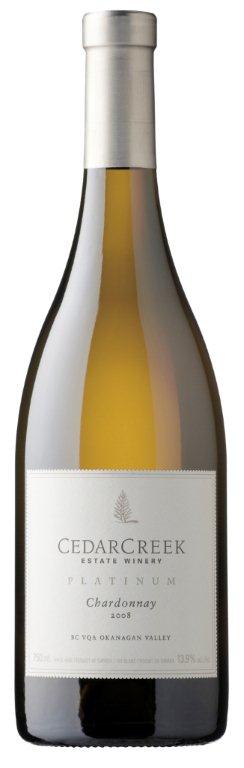
GOLD CedarCreek Platinum Chardonnay, Okanagan Valley 2008 $29.90
SILVER Nk’Mip Qwam Qwmt Chardonnay, Okanagan Valley 2008 $16.99
BRONZE Gray Monk Chardonnay Unwooded, Okanagan Valley 2009 $16.99
BRONZE Oyster Bay Chardonnay, Marlborough, New Zealand 2009 $19.99

Other dry white

GOLD Arrowleaf First Crush, Okanagan Valley 2009 $13.99
SILVER Conundrum, California 2008 $24.99
BRONZE Oliver Twist Viognier, Okanagan Valley 2009 $20.00
BRONZE Hester Creek Semillon/Chardonnay 2009 $15.99

Rosé

GOLD CedarCreek Rosé, Okanagan Valley 2010 $17.90

Pinot Noir

GOLD Meiomi Belle Glos Pinot Noir, California Coast 2008 $27.99
SILVER CedarCreek Pinot Noir, Okanagan Valley 2008 $26.90
BRONZE CedarCreek Platinum Pinot Noir, Okanagan Valley 2007 $39.90
BRONZE Nk’Mip Qwam Qwmt Pinot Noir, Okanagan Valley 2008 $29.99
BRONZE Burrowing Owl Pinot Noir, Okanagan Valley 2009 $30.00

Merlot

GOLD Oliver Twist Proprietor’s Reserve Merlot, Okanagan Valley 2008 $28.00
GOLD Bonitas Merlot, Okanagan Valley 2008 $40.00
SILVER Burrowing Owl Merlot, Okanagan Valley 2008 $30.00
BRONZE Kalala Organic Merlot, Okanagan Valley 2007 $28.95
BRONZE Arrowleaf Merlot, Okanagan Valley 2008 $17.99
BRONZE CedarCreek Platinum Merlot, Okanagan Valley 2007 $34.90

Cabernet Sauvignon/Cabernet Franc/Malbec

GOLD** Burrowing Owl Cabernet Franc, Okanagan Valley** 2008 $33.00
** BEST OF SHOW RED **
SILVER Burrowing Owl Cabernet Sauvignon, Okanagan Valley 2008 $30.00
BRONZE Louis M. Martini Cabernet Sauvignon, Sonoma County 2008 $19.99
BRONZE Hester Creek Reserve Cabernet Franc, Okanagan Valley 2007 $25.99

Bordeaux varietals/ Meritage blends

GOLD Burrowing Owl Meritage, Okanagan Valley 2008 $45.00
SILVER Inniskillin Dark Horse Vineyard Meritage, Okanagan Valley 2007 $24.99
SILVER Nk’Mip Qwam Qwmt Meritage 2007 $29.99
BRONZE Orofino Beleza, Similkameen Valley 2008 $33.90

Shiraz/Rhône varietals

GOLD Fetish The Watcher, Barossa Valley, Australia 2008 $24.99
SILVER Jackson-Triggs Gold Series SunRock Vineyard Shiraz, Okanagan 2008 $34.99
SILVER Razor’s Edge Shiraz 2008, Australia 2008 $14.99
BRONZE Henry’s Drive Pillar Box Reserve Shiraz, South Australia 2007 $24.99

Other red

GOLD The View Red Shoe, Okanagan Valley 2009 $14.50
SILVER Ruffino Il Ducale Toscano, Italy 2007 $19.99
BRONZE La Mozza I Perazzi Morellino di Scansano, Italy 2007 $24.99

Fruit/Honey wine

GOLD Rustic Roots Mulberry Pear, Similkameen Valley 2008 $28.90
SILVER Forbidden Fruit Pomme Desirée Iced Apple, Similkameen 2009 $30.00
SILVER Rustic Roots Santa Rosa , Similkameen Valley 2008 $27.90
BRONZE Forbidden Fruit Impearfection, Similkameen Valley 2008 $22.00
BRONZE Forbidden Fruit Cerise d’Eve 2009 $30.00

Fortified wine

GOLD Sumac Ridge Pipe 2006 $24.99
SILVER Wild Goose 2009 Black Brant 2009 $19.99

Friday, March 4, 2011

Camelot releases two for your (round) table


Photo: Robert Young, Denise Brass

A recent dinner party have me the opportunity to open three different Chardonnays, including a new release from Camelot Vineyards, a boutique winery in East Kelowna.

I was particularly interested in that wine because the owners of Camelot had expressed some trepidation at entering two new releases for VQA certification, to which I suggested that the wines would breeze through. After all, the consulting winemaker is the legendary Ann Sperling.

Of course the wines sailed through – both at VQA and at my dinner party. I am not going to reveal what the other two Chardonnays were to save those wineries the embarrassment. Camelot simply blew the competition away.

Camelot was opened in 2009 by Robert Young and Denise Brass, two Air Canada flight attendants. In 2007 they planted six acres of Pinot Gris, Riesling, Gewürztraminer and Pinot Noir, replacing an apple orchard on the family farm operated for 40 years by Robert’s father. The apples came out when the price of the fruit no longer covered even the cost of delivering them to the packing house.

They built a compact winery in 2008, purchasing grapes for the initial vintages because of the youth of their vines. The flavours of the 2009 Chardonnay and the 2009 Syrah just released show that they managed to line up good vineyard sources.

The previous vintages of these varietals sold out quickly and I would not expect these two to be around for too long either. That’s the disadvantage of finding favourites from small wineries.

Serendipity enabled them to line up Ann Sperling as their launch winemaker. The Sperling family, veteran Kelowna grape growers, had decided to start a winery of their own but, at the time, had no licensed winery in which to make the first vintages for Sperling Vineyards.

However, Camelot had just licensed its new winery, just down the road from the Sperling vineyard, and had capacity to spare. It was a no-brainer for Ann to make both her family’s wines and those for Robert and Denise at Camelot.

Robert’s father once called a family home “Camelot.” Robert and Denise not only applied that name to the winery; they have added elements to the tasting room to echo the legends of King Arthur and the Round Table. A massive sword is embedded in a big stone at the tasting room entrance. There is a round table in the tasting room, along with suit of armour, a German-crafted replica because the price of genuine armour is out of sight.

The total portfolio of Camelot wines is tightly focussed. In addition to the Syrah and the Chardonnay, the winery offers Merlot, Pinot Blanc, Pinot Gris, Gewürztraminer and Riesling.

Here are notes on the current releases.


Camelot Chardonnay 2009 ($22.95). This is a barrel-fermented wine, with the oak very well integrated and not dominating from rich fruit. There is a hint of toast on the nose and the flavour, an echo of the barrels. The aroma is rich with notes of butterscotch and tangerine and that carries through in the ripe flavours. There is a lingering finish with a classic hint of cloves. 90.


Camelot Syrah 2009 ($20.95). This well-priced Syrah is a delicious and warming red on these cold winter days. It begins with aromas of cherries and plums, leading to flavours of plum, leather and pepper. The rich and generous fruit is big enough that the bold alcohol level (14.9%) is not evident. The soft, ripe tannins add to the wine’s juicy appeal. 88.

Thursday, March 3, 2011

Blackwood Lane releases big reds


Photo: Carlos Lee

When I recently poured a glass of Blackwood Lane’s 2007 Merlot for my companion, her instinctive reaction after sniffing and tasting was to exclaim: “Wow!”

Never mind a Robert Parker score. That says all you need to know about that superb wine.

The winery is now releasing four more reds, all of them with a similar wow factor.

Blackwood Lane Vineyards & Winery is a boutique producer that makes its wine from Okanagan grapes but has its tasting room and winery on 8th Avenue in Langley Township. It is a great place to visit on a sunny day because the wine shop is in a refurbished bungalow with spectacular view of Mount Baker.

On the occasions I have been there, the tasting room was fairly quiet, suggesting that Vancouver-area wine enthusiasts are, for the most part, not aware of this winery and its excellent wines. It’s worth the drive, especially if one also makes a luncheon booking nearby at Domaine de Chaberton’s excellent bistro.

In a few months, through Whitecap Books, my publisher, I am releasing a new book on the wineries of the Fraser Valley and the islands. I hope that will improve the visibility of these wineries and persuade wine tourists – who may not know what is in their backyards - that they need not always go the Okanagan for wine touring.

Blackwood Lane was opened in 2007 by winemaker Charles Herrold and his partner, Carlos Lee. Last month, Carlos acquired Charles’s interest in the winery, in part because Charles is ramping up his own boutique winery in Washington State.

While the departure of a winemaker as capable as Charles raises some questions about Blackwood Lane in the future, the impressive wines currently released have his finger prints all over them. Carlos tries to be re-assuring about the style going forward. “We made wine together for six years,” he says. “I am a texture man. Charles has a nose like a bloodhound.”

For those who can’t get to the winery, the Blackwood Lane website includes a list of wine stores in the lower mainland that carry the wines.

A warning: many of the releases come with sticker shock. Blackwood Lane’s business model has been to pay top dollar for premium Okanagan grapes. That has to be reflected in the price of the wine. But that is the way it is all over the world. The $100 plus Napa Cabernet Sauvignons are also made from really expensive grapes.

Is Blackwood Lane in the same league yet as Cakebread or Caymus? Perhaps not yet but its first few vintages certainly show astonishing promise. Will the British Columbia market sustain a winery with a super-elite business model? Who knows? But don’t wait to find out. Try some of the wines now and make up your mind.


The wines currently available begin with a solid $24 red, Vicuña Roja 2008, a blend of 60% Cabernet Franc, 30% Merlot and 10% Malbec. The wine is bright and juicy, with aromas of spice and cherries and flavours of mocha, cherry and blackberry. The ripe tannins give this an accessible and drinkable texture. 88.


New from the winery is a Pinot Noir 2009 ($44), made entirely with free-run juice from four different clones of Pinot Noir. The wine begins with a dramatic aroma of raspberries and cherries and even a hint of tobacco. On the silken palate, there are flavours of strawberries and spice. On the finish, the wine shows a delicate, feminine character that adds to its appeal. 92.


Blackwood Lane Merlot 2007 ($44) struck me as a sultry, dark-haired beauty (to stay with the metaphor). Rich on the palate, the wine has appealing aromas and flavours of cassis, black cherry, vanilla, fig and chocolate, with a lingering finish. 94.


Blackwood Lane Cabernet Franc 2007 ($44) has the classic vibrancy of this variety: aromas of peppery cherries and blackberries, flavours of blackberries and black currants and black liquorice, with a lingering finish. 91.


Blackwood Lane The Referènce 2007 ($99). This Bordeaux blend is expensive not just because of the grapes but also because of the barrel treatment. The wine is aged initially in French oak barrels and then finished in French oak puncheons, the larger size of which polishes the wine without making it too oaky. Dark in hue, the wine begins with aromas of red berries, spice and vanilla. The flavour palate is a bit like a very good Black Forrest cake, with chocolate, cherries, plums, figs, currants and spice. The wine is approachable now, with decanting, but will age easily for 10 years. 96.

I note from the winery’s website that The Referènce 2006 is still available. I thought that was another 96 point wine. Charles insists that the 2007 is a better wine.

Perhaps a well-heeled collector will invite me one day for a side-by-side tasting.

Sunday, February 27, 2011

CedarCreek's current releases include three Platinum wines


The CedarCreek Estate Winery in Kelowna slimmed its portfolio a few years ago and now offers just two ranges: the Estate range and, for its premium wines, the Platinum range.

The latest releases show consistent quality in both ranges. These wines were made by Tom DiBello, the winemaker who left CedarCreek almost a year ago and now is a busy consultant about to release wines on his own label.

One signature of his touch at CedarCreek was his use of premium French oak. No doubt, he cost the winery owners a modest fortune for barrels each vintage but the result was always worth it.

These releases represent Tom at his best.

CedarCreek fans can also relax. His successor as winemaker, Darryl Brooker, is Australian-trained and made excellent wines with several leading Ontario wineries before moving to the Okanagan in time to see Tom’s 2009 wines into bottle and to make the 2010 vintage.

Here are notes on the current releases.

CedarCreek Platinum Chardonnay 2008 ($29.90). The winery has released 766 cases of this strikingly elegant wine. The wine was totally barrel-fermented but only spent 10 months or so aging in barrel and on the lees. As a result, the oak is so well integrated as to provide grace notes that frame the aromas and flavours. The taste and smell is very much fruit-first: aromas and flavours of tangerine with a richness on the palate and with a finish that lingers. The wine seems polished to a creamy roundness while retaining vibrant acidity at the core. 92.


CedarCreek Platinum Pinot Noir 2007 ($39.90). The winery produced 677 cases of its top Pinot Noir. The wine incorporates four clones of Pinot Noir harvested from CedarCreek’s two Kelowna-area vineyards. The wine was aged 17 months in French oak before being bottled and then aged another 17 months before its release last September. The wine presents in the glass with the ruby hue of a gemstone, followed by toasty aromas of strawberry and cherry. On the palate, flavours of raspberry and cherry mingle subtly with oak. The texture is classically silky. On the finish, the wine is light but elegant. For those looking for power in Pinot Noir, this is not it. For those who admire delicacy and feminine charm in a Pinot Noir, this is definitely the wine. 90.


CedarCreek Platinum Meritage 2007 ($39.90). Dark, full and concentrated, this wine begins with aromas of flowers, chocolate and black cherry which carry through on the palate, mingled with fig, cedar and tobacco, with a kiss of spice on the finish. There is a remarkable polish and elegance to this wine. It is a blend of 44% Merlot, 30% Cabernet Sauvignon, 18% Malbec, 5% Cabernet Franc and 3% Petit Verdot. The winery released 891 cases in November. 92.

CedarCreek Estate Chardonnay 2008 ($17.90). The winery released 4,633 cases of this well-made wine at a fighting varietal price and under screwcap. The wine has classic aromas and flavours of citrus fruits, with a subtle hint of butter and oak. This appeals to those who want a Chardonnay where the fruit is out in front but with a little more complexity than is typical in the unwooded versions of this wine. 88.

CedarCreek Estate Pinot Noir 2008 ($26.90). The winery has released 2,754 cases of this Pinot Noir. On the nose, there are aromas of toast from the barrels and black cherry from the fruit. On the palate, there are flavours of cherry and plum. The wine shows a generous structure. 88.

CedarCreek Estate Syrah 2008($24.90). The wine begins with aromas of black cherries, and white pepper. On the palate, there are flavours of cherries and pomegranates with a hint of pepper on the finish. 88.

Wednesday, February 23, 2011

Clos du Soleil is expanding its portfolio


Clos du Soleil, the small but premium Similkameen Valley winery that opened in 1998 with just two wines, is adding to its Bordeaux-styled portfolio with two more reds and with a Pinot Blanc from a grower’s vineyard.

Spencer Massie, one of the winery principals, announced that this week during a winery dinner at Salt Tasting Room in Vancouver.

That effectively answered a question some guests had when they came to the tasting: what kind of a winery dinner can you have with two wines?

Well, if ever there is a venue for a minimalist tasting, Salt is it. As regulars know, this funky restaurant’s menu is limited to cheese, bread and cold cuts. But the staff is very adept at pairing the food to flatter the wine, not to overshadow the wine.

And Clos du Soleil was able to show six wines. The winery poured both the two wines from its second vintage, 2007, and the two from its third vintage, the 2008 Capella (formerly White) and the 2008 Signature (formerly Red).

I reviewed both in a January 21 blog, scoring both 90, and I stand by that.


Photo: Spencer Massie


Even though Massie grew up in Kelowna, he and his partners are fans of Bordeaux wines and that determines, for the most part, the style of Clos du Soleil’s wines. The two whites are 95% Sauvignon Blanc, 5% Sémillon and are finished in a style that recalls the white wines of Graves.

Signature, which sells for $38, is a blend of Merlot, Cabernet Sauvignon, Cabernet Franc and Malbec, all of them major Bordeaux varieties. Because the sun is more generous in the Okanagan and Similkameen valleys, these wines are a little riper than Bordeaux reds (a good thing in my view).

The winemaker who has had full control of the cellar since the 2009 vintage (and influence over 2008) is Ann Sperling, a native of Kelowna who was in high school with Massie. Since becoming a winemaker in 1984, she has achieved national renown.

In the 2009 vintage she decided to bracket Signature. A very limited production of a super-premium red is in barrel now. Guests at the winery dinner also tasted a barrel sample of 2009 Celestial, a red designed for earlier drinking and priced more approachably at $22.90. It is a delicious, juicy red with flavours of currents, plums, blackberry and blueberry. 88 points.

“They are all classic Bordeaux styles,” Sperling says. “We think these wines will be ageable for at least 10 years.”

The sixth wine of the evening was a 2010 Pinot Blanc, the first wine in what the winery calls its Grower’s Series. These will be wines made from grapes grown in other Similkameen vineyards whose owners share Clos do Soleil’s outlook on sustainable or organic production. The grapes for this wine were produced by Cawston grower Urs Baessler and his family.

The wine has just been bottled. Clos du Soleil is releasing 280 cases through private wine stores after March 21.

This is another 90 point wine. Clos du Soleil Pinot Blanc 2010 ($18.95) begins with aromas of lime and apples. On the palate, the tangy, fresh flavours recall sweet-tasting Ambrosia apples. The finish is reasonably dry yet with a honeyed ripeness. The wine has good weight and, with bright acidity, a refreshing character.