Tuesday, September 11, 2012

Class of 2012 – Maverick Estate Winery


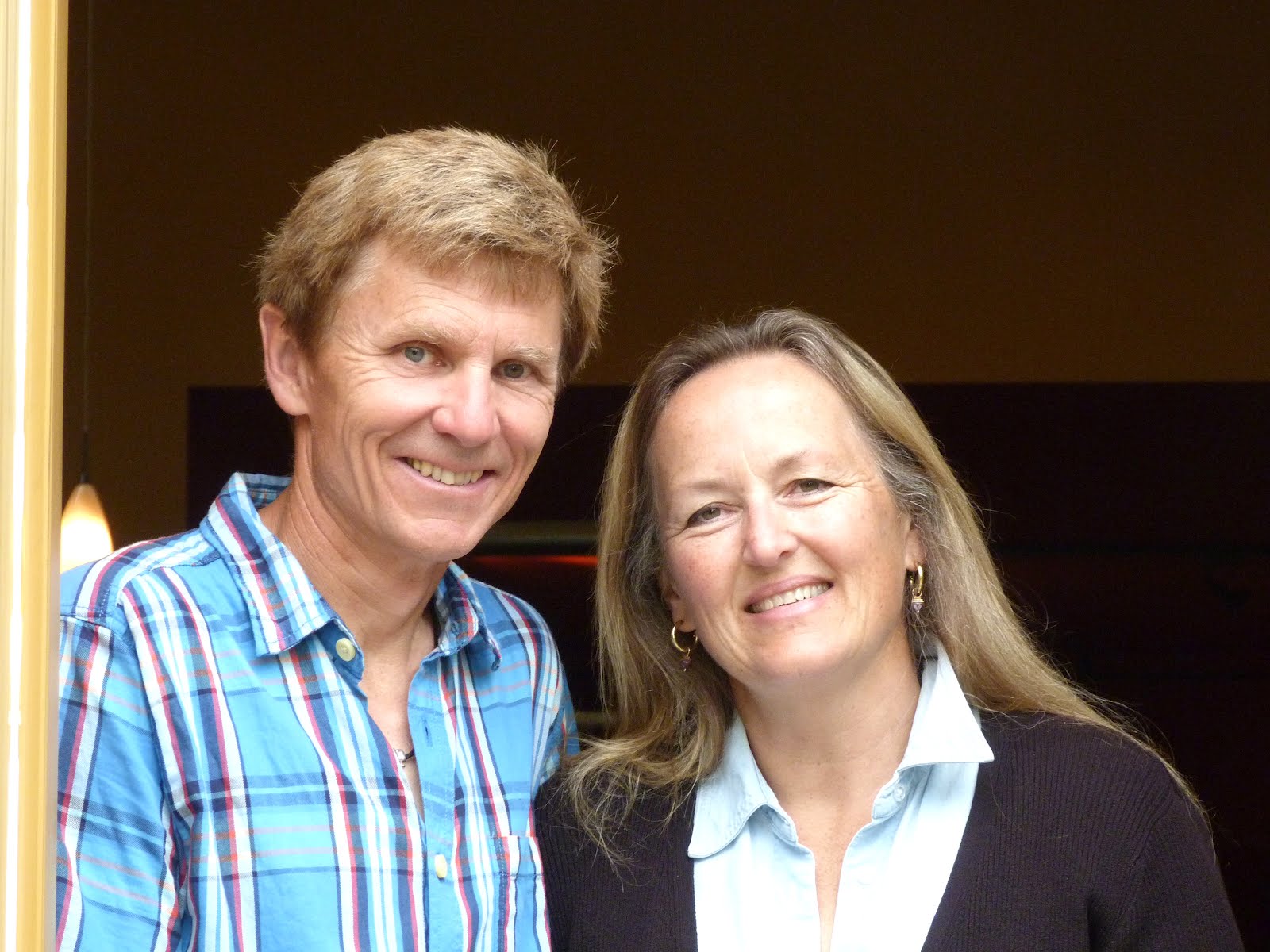
Photo: Winemaker Bertus Albertyn


By mid-September, Maverick Estate Winery, a new producer on Highway 97 between Oliver and Osoyoos, will release its first wines.

Ho hum, you say! Another new Okanagan winery.

Pay attention to this one. The winemaker, and one of the partners, is Bertus Albertyn, who also makes the wine at Burrowing Owl Vineyards.

But don’t look to Maverick to be a Burrowing Owl clone. He is deliberately styling the wines differently here. They are more Old World, says Bertus, who began his winemaking career in South Africa. The whites, for example, all have a portion of barrel-fermented wine in the blends.

The initial releases, available from the winery’s website and later in private wine stores, are all whites. The red is still aging in a large oak vat, with bottling planned for late this year or early next year.

As well, a cuvée is being laid down for a sparkling wine. Maverick’s young vineyard, on the hillside that rises west of the highway, will be harvested exclusively for sparkling wine this year.

A second vineyard near Osoyoos will be planted next year. Bertus is considering planting, among other varieties, Pinot Gris and Chenin Blanc. The latter varietal, too rare in the Okanagan, is a leading white in South Africa.

How the South Africans involved in this winery got to the Okanagan is quite a journey. The following is Maverick’s profile in the current edition of John Schreiner’s Okanagan Wine Tour Guide.


Photo below: Schalk de Witt


*****************

The origins of this winery go back to Uniondale, a small agriculture town in South Africa, and the friendship between the town’s bank manager and its doctor. Schalk De Witt, the doctor, has a daughter, Elzaan. One of her playmates when she was five was Bertus Albertyn, the bank manager’s seven-year-old son. She also got a medical degree, at Stellenbosch University, after her father moved to Canada in 1990. Meanwhile, Bertus became a winemaker. They met again during a De Witt family vacation in South Africa, fell in love and married.

Meanwhile, Schalk (rhymes with skulk) had invested in two Okanagan properties for vineyard. Having a winemaker in the family triggered the launch of Maverick. “When Bertus came into the picture, obviously, that was the way to go,” Schalk says. “There is more profit in making wine than in selling grapes.”

A 1976 medical graduate from Stellenbosch University, Schalk brought his family to Canada because they feared civil war in apartheid South Africa. He drove through the southern Okanagan on the way to a locum’s posting in Castlegar and was immediately attracted. “Even the natural vegetation—the sagebrush and the antelope brush—reminded me of the drier areas of South Africa,” he says. Toward the end of a long career in general practice in Alberta, he began searching for property. In 2006 he purchased 19.4 hectares (48 acres) of raw land adjacent to the Osoyoos Larose vineyard near Osoyoos. Three years later, he purchased a former organic farm beside the highway and tapped his son-in-law’s expertise to plant three hectares (7 ½ acres) of vines in 2011.

When Bertus, born in 1978, finished his enology degree at Stellenbosch University, he started at a large wine cooperative before joining Avondale Estate in 1994 as winemaker. He came to the Okanagan early in 2009 because Elzaan was establishing her practice in Osoyoos and he became Burrowing Owl Winery’s winemaker that October. Since Maverick plans to make 2,500 cases a year at most, Bertus continues his career at the larger winery. He made only about 500 cases in total for Maverick in 2011.

The Highway 97 vineyard is planted to Pinot Noir, Shiraz, Sauvignon Blanc and a little Chardonnay. The other property, which has just enough water to support six hectares (15 acres) of vines, will be planted in 2012 with similar varieties. “Personally, I prefer the Burgundian and Rhône varieties,” explains Bertus, who plans to include sparkling wines in the Maverick portfolio.

***********

Here are notes on the wines being released. Prices are approximate.

Origin 2011 ($16). This is approximately 80% Gewürztraminer and 20% Sauvignon Blanc, making for an interesting blend. The Gewürztraminer contributes flavours of tropical fruits while the Sauvignon Blanc adds lime and a backbone of fresh acidity. The zesty, dry finish includes a spicy Muscat note, reflecting the Gewürztraminer. 90.

Sauvignon Blanc 2011 ($18). This flinty Sancerre style Sauvignon Blanc, some of it barrel-fermented, shows the grassy/nettles aromas and flavours of the varietal, with a crisply dry finish. The structure suggests that this might be an age-worthy white (two or three years), in contrast to the floral New Zealand style. 90.

Pinot Gris 2011 ($19). Bertus had never made Pinot Gris in South Africa. Here, it is the Okanagan’s number one white, as well as a flagship wine at Burrowing Owl. Gold in hue, this wine has aromas of pears and apricots, and delivers flavours of citrus along with stone fruit. The wine has a dry, lingering finish. 90.


Rubicon 2011 ($24). This wine, still in the oak vat in which it was fermented, is not yet bottled and likely will not be released until 2012. It is a blend of 65% Shiraz and 35% Cabernet Sauvignon. It is a bold wine, with pepper on the aroma and the palate, along with flavours of black cherry and chocolate. 90.

29686 Highway 97
Oliver, BC V0H 1T0
T 250.495.4595


Saturday, September 8, 2012

Summerland Fall Fair winning wines


Photo: The view over Thornhaven Estate Winery's vineyard


Within the past year, the wineries in and around Summerland have formed what they call Bottleneck Drive – The Summerland Wine Route.

It occurred to the producers that they needed to achieve a higher profile in order to lure passing wine tourists off the highway and into the bucolic countryside where the wineries are located.

Everybody knows Sumac Ridge Estate Winery, of course, because it has been there – right beside Highway 97 – for more than 30 years.

It might come as a surprise that there are 13 other wineries in the area, counting The Vinegar Works, which also has a tasting room for its products. One can spend a full day touring these producers, if not more. Bonitas Winery and Sonoran Winery both have food service while Heaven’s Gate and Thornhaven have patios. Visitors are welcome to unpack their own picnics and buy accompanying wines from the wine shops.

The other thing the producers are doing to raise their profile is to participate in a wine competition during the Summerland Fall Fair.

The second annual competition has just concluded. I was one of three judges, along with Rhys Pender MW and broadcaster Terry David Mulligan.

Most of the Bottleneck Drive wineries submitted entries. There were 40 wines which were submitted for judging in several different flights. Of course, the judging was blind and the judges set rigorous standards for gold and silver awards. We decided from the outset not to award any bronze medals. Had we done so, almost every wine would have won a medal; however, many wineries are not interested in bronze medals since these have little weight with consumers.

The general quality of the Summerland wines is competitive with wines from any other region of the Okanagan. Bottleneck Drive is worth the drive.

Here are the winning wines. The descriptors are mine alone.

Gold

Gold and best of show: Dirty Laundry Kay-Syrah 2011 ($24.90). A big, lush red with vanilla and black cherry flavours, this is 85% Syrah, 15% Merlot

Dirty Laundry Hush Blush Rose 2011 ($19.99). A juicy wine with aromas and flavours of strawberry and with a nice dry finish.

Bonitas Winery 2011 Viognier ($24). A wine with herbal aromas and flavours of peaches, melons and citrus.

Bonitas Merlot 2009 ($40). A dark wine with bold oak, complementing red berry and vanilla flavours.

Silkscarf Winery Ensemble Blanc 2011 ($21.90). This is a blend of Pinot Gris, Riesling and Gewürztraminer, with intense aromas of spice and flavours of spice, tangerine and orange peel.

Thornhaven Gewurztraminer 2011 ($17.90). This winery often wins awards for its Gewürztraminer wines, made in a bold style, with aromas and flavours of lychee, peach, apricot and spice.

Thornhaven Syrah 2010 ($24). Dark in colour, this wine presents gamey aromas and flavours of the variety, with flavours also of pepper, fig and liquorice.

Heaven's Gate Gewurztraminer 2011 ($20). This wine begins with spicy rose petal aromas. The residual sugar in this off-dry version delivers appealing flavours of lychee and peach.

Sleeping Giant Black Currant Wine ($17.95). From Summerland’s one fruit winery, this is a classically intense black currant wine, with a tart finish.

Sumac Ridge Steller's Jay Brut ($24.99). Half the price of Champagne but just as delightful. The wine begins with toasty citrus aromas. On the palate, the bubbles give it a creamy texture; but the finish is crisp and refreshing.


Silver

Thornhaven T0rtured Grape 2011 ($17.90). This is a  blend of Orange Muscat, Riesling and Chardonnay. The Muscat contributes spice to the aromas; on the palate, there is spice, peach and citrus.

Summergate Muscat Ottonel 2010 ($19.90). The wine has, as you would expect, spice on the nose and on the palate, along with flavours of apple and citrus.

Sonoran Rosé 2011 ($17.90). The hue is pale rose and that colour does not quite prepare you for what comes next – an explosion of fruit on the nose and the palate. The flavours recall strawberry and rhubarb.

Silkscarf Winery Shiraz Viognier 2008 ($37.90). A mature red with long ripe tannins, the wine has aromas and flavours of vanilla, black cherry, figs and chocolate.

Dirty Laundry Merlot 2011 ($22.99). This wine has notes of toasty oak and red berries in the aroma. The savoury palate has flavours of cherry and blue berry.

Friday, September 7, 2012

Volcanic Hills wine releases for 2012


Photo: Volcanic Hills Estate Winery


Volcanic Hills Estate Winery was opened in 2009 by the father and son team, Sarwan and Bobby Gidda.

Sarwan is one of the three brothers who previously started Mt. Boucherie Estate Winery. Sarwan left that family partnership and moved a few hundred yards down the hill, building an imposing 15,000 square foot winery fronting on busy Boucherie Road.

Whatever the family dynamics, both of the Gidda-owned wineries make solid wines and sell them at reasonable prices.

Volcanic Hills made its mark in 2011 by winning a Lieutenant Governor’s Award of Excellence for its 2010 rosé. The two rosé wines released this year are also delicious.

Daniel Bontorin makes the wines. He has been a consulting winemaker in the Okanagan since 2005 and previously made wines at Quinta Ferreira, Le Vieux Pin and La Stella wineries.

Here are notes on the current releases, which are widely available in VQA and other wine stores.

Volcanic Hills Magma White Blend 2011 ($15.90 for 841 cases). This is a blend of 55% Riesling, 13% Müller Thurgau, 8% each of Pinot Blanc, Schönburger and Kerner; 6% Pinot Gris and 2% Viognier. That little bit of Schönburger goes a long way – giving spice to the aroma and a hint of Muscat on the dry finish. There are also fresh citrus aromas and flavours. The winery calls this an “aromatic, tantalizing” blend and I agree. 90.


Volcanic Hills Magma Rosé 2011 ($15.90 for 455 cases). This wine is 88% Gamay Noir and 12% Chardonnay. It is juicy and full-bodied, with aromas of raspberry and flavours of raspberry, strawberry and rhubarb. Finished dry, it is a serious rosé for the dinner table. 89.


Volcanic Hills Magma 2010 ($16.90 for 491 cases). This is an unusual blend: 51% Zweigelt (an Austrian red); 25% Michurinetz (a Russian red); 20% Maréchal Foch (a French hybrid); and 4% Syrah. The wine was barrel-aged for nine months in new French oak. I wonder whether American oak might not have been a better match (and a cheaper one) with the gamey flavours of these varieties. The wine has smoky aromas and savoury flavours of plum, dark chocolate, spice and liquorice, with an herbal  note on the finish. 87. 


Volcanic Hills Pinot Gris 2011 ($17.90 for 592 cases). This unoaked Pinot Gris begins with aromas of pear, pineapple and apricot. That carries through to deliver a medley of tropical flavours, with tangy citrus on the finish. 88.


Volcanic Hills Rosé 2011 ($18.90 for 920 cases). This is 100% Gamay Noir, made in a slightly off-dry style of a summer sipper. There are aromas of cherries and strawberry jam, with juicy flavours of strawberries and pink grapefruit. Even though the winemaker left 11.3 grams of residual sugar in the wine, it is so effectively balanced with lively acidity that the wine is refreshing to drink. 88.


Volcanic Hills Gewürztraminer Single Vineyard 2011 ($19.90 for 377 cases).  This wine begins with appealing rose petal and lychee aromas. On the palate, it delivers layers of tropical fruit flavours, including lychee and pear. The wine is deliberately off-dry, with 19 grams of residual sugar. It finishes with clean and refreshing sweetness that pairs well with spicy foods. But not too spicy – a full bore curry would submerge the lovely delicacy of the flavours. 90.


Volcanic Hills Gewürztraminer 2011 ($17.90 for 377 cases). This wine begins with aromas of lychee and spice. It delivers a fruit bowl of flavours – peach, mango, lychee. The hint of residual sweetness lifts the flavours and gives the wine a fleshy palate weight. However, it is balanced to finish almost dry. 89.


Volcanic Hills Merlot 2008 ($24.90 for 218 cases). This wine has had 24 months in oak barrels before being bottled; and has been released with optimal bottle age. Dark in colour, it has aromas of currants and cherries, with rich fruit flavours of plum, black cherry, blackberry and chocolate. 90.


Volcanic Hills Syrah 2008 ($28.90 for 497 cases). Appropriately dark in hue, thus begins with aromas of white pepper, black cherry and plum. On the palate, there is the classic flavour of cracked pepper over white cherry, accentuated with vanilla and spice on the finish. 89.


Volcanic Hills Eruption 2009 ($29.90 for 1,069 cases). This is a blend of 40% Merlot, 32% Syrah and 28% Cabernet Sauvignon. The funky sulphur on the aroma covers the fruit – although it emerges with decanting. The flavours are much more appealing: there are gobs of blueberries, black currants, black cherries and dark chocolate. Decanting is a must. 88.


Volcanic Hills Cabernet Sauvignon 2009 ($29.90 for 300 cases). Dark in hue, this begins with aromas of black currants, plus and figs. On the palate, the wine is big and bold – typical of the great 2009 vintage – with flavours of black currants, plums, mint, dark chocolate and toasty oak. 91.

Volcanic Hills Chardonnay Icewine 2009 ($29.90 for 200 ml; 83 cases produced). Gold in hue, this wine presents a rich aroma of ripe pineapple with a marmalade bowl of citrus fruits. The intense citrus jam flavours are deliciously rich. The acidity gives this wine an excellent balance, allowing a clean finish. Sweet without being cloying. 91.

Tuesday, September 4, 2012

Class of 2012 – Liquidity Wines


Photo: New winery for Liquidity Wines


Liquidity Wines, the latest label emerging from Okanagan Falls, is opening its new winery for an open house in mid-September.

The winery will also be rolling out a limited volume of its first wines, all of them made elsewhere by winemaker Matt Holmes (or by someone else and finished by Matt).

Liquidity’s first crush in the new winery will be done this fall. While the current releases are sound, this is only a first taste of what Matt will achieve. He will be working in a thoroughly modern winery with grapes from a vineyard that he has whipped into shape over the last three years.

***********


Photo: Matt Holmes

Here are notes on the wines. Pricing remains to be settled; but the wines are expected to sell between $20 and  $25 a bottle.

Liquidity Pinot Gris 2011: This is made with grapes from vines that are now 18 years old. One of Liquidity’s advantages is that portions of the vineyard (not far from Blue Mountain) have mature vines. This wine has aromas of citrus and flavours of citrus and pear, with a fleshy texture but a crisp finish. 90.

Liquidity Chardonnay 2010: The winemaker put only a third of this through malolactic fermentation and aged the wine 12 months in older barrels. The result is that the bright fruit flavours – tangerine, peach – mingle with a note of butterscotch. The finish is dry. 88.

Liquidity Chardonnay 2009: Plump and juicy, this wine has flavours of ripe apricot, peach and citrus fruits. All of the wine, which was fermented in an oak puncheon and finished in stainless steel, went through malolactic. The style leans more to California in this satisfying wine. 90.

Liquidity Pinot Noir 2010: The winemaker began to pull out the stops with these clone 115 grapes from 19-year-old wines, using both wild yeast and Burgundy yeasts in the ferment, and giving the wine 20 days of skin contact. The wine picked up a fine colour, aromas of raspberry and wild strawberry and flavours of cherries. The texture is silky. 88.

Liquidity Pinot Noir 2009: This is a wine with a firm texture, a bit of a brooding personality, and whiff of oak along with the red berry aromas and the black cherry flavours. 88.

Liquidity Merlot 2010: This is a nicely concentrated red, with aromas and flavours of blackberries and black currants. The wine opens nicely when allowed to breath; it has a few years of cellar-worthiness. 90.

*******

 The following is the Liquidity Wines profile from the recently published John Schreiner’s Okanagan Wine Tour Guide.

This location was destined for a winery. It commands a vineyard view similar to the neighbouring Blue Mountain Vineyards & Cellars’s stunning vista. (Blue Mountain founder Ian Mavety once grew grapes in this slope.) A previous owner built what looked like a winery in waiting, the sprawling adobe-style home now serving as Liquidity’s tasting room. About 2005, the property was acquired by Arizona housing developer Gordon Pekrul, one of several where he planned wineries until the 2009 bankruptcy sale of all three. The Allendale Road property was purchased by Vancouver businessman Ian MacDonald and his partners, two wine-loving Calgarians.

Ian, Liquidity’s hands-on manager, was born in Montreal in 1954, the grandson of a farmer. He worked in Calgary in the 1980s as a vice-president of sportswear-maker Sunice, an official supplier to the 1988 Winter Olympics. “I fell in love with the Olympics,” Ian says. He formed a company called Moving Products Inc., which has supplied non-athletic uniforms at every Olympics since then. “We are the only company on the planet providing the logistics for uniforming large numbers of people at the Olympic games,” he says.

Calgary investment banker James Davidson, the chair of FirstEnergy Capital, is one of the partners. “I had said to Jim over the years that I would like to get involved in the vineyard business,” Ian remembers. When a broker alerted Jim to the Allendale Road property, Ian was sent to look at it. Jim also brought in a third partner, Dale Shwed, the chief executive of Crew Energy, and, like Jim, a passionate wine collector. [Since the book was published, five more individuals have joined as partners.]

Allendale Road had 10 acres of mature vines, notably Pinot Noir; another 10 acres on the prime south-facing slope has been replanted. The other varieties here include Viognier, Chardonnay, Pinot Gris, Merlot, Cabernet Franc and a little Cabernet Sauvignon. After taking over, Ian upgraded all the irrigation, installed moisture sensors and a weather station, and had the soils analyzed.

After working with consultants for two years, Liquidity named Matt Holmes, the former winemaker at Tantalus Vineyards, as its vineyard and winery manager. Matt was born in Australia but is now a Canadian citizen. Just 28 when he joined Tantalus in 2005, he has a winemaking degree from Charles Sturt University and experience with wineries there, in New Zealand and in the United States. He made Liquidity’s first two small vintages in 2010 and 2011 at a nearby winery while designing the winery for Liquidity.

“Our goal is not to be a big operation,” Ian says. “If we could get up to 2,000 cases in a few years, it would be nice. It is more about the quality, long term, than about the quantity.” Most of the wine will be sold in the tasting room and, when it is developed, the winery’s bistro.

4720 Allendale Road
Okanagan Falls, BC V0H 1R2
T 778.515.5550

Thursday, August 30, 2012

Okanagan Crush Pad plans a major new vineyard


Photo: OCP's Steve Lornie in the Garnet Valley


In a significant vineyard expansion, Okanagan Crush Pad Winery Ltd. has purchased 317 acres of ranch land in Summerland’s Garnet Valley with about 85 plantable acres.

“We are getting ready to plant this coming spring,” says Christine Coletta, one of the majority owners of OCP with builder Steve Lornie, her husband.

The fast-growing OCP winery, which will do just its second crush this fall, is based on the 10-acre Switchback Vineyard.

The plans for the Garnet Valley vineyard are being developed by OCP in conjunction with OCP’s Italian winemaking consultant, Alberto Antonini and a Chilean “wine terroir” consultant, Pedro Parra. The varieties under consideration include Pinot Gris, Pinot Noir and Cabernet Franc.


Photo:  Alberto Antonini

“We are in the process of mapping that land,” Christine said in an interview this week. Pedro and Alberto, who work together on vineyard projects in South American and Italy, “will be determining what will be planted; what rootstock it will be on; the clones; and the orientation on the site.”

Christine and Steve have emerged rapidly as major players in Okanagan wine growing since 2005 when, on a whim, they bought an orchard that became the Switchback Vineyard and was planted entirely to Pinot Gris.

Christine, of course, has been a force in British Columbia wine marketing since 1992, when she was named executive director of the British Columbia Wine Institute. She spent almost a decade building the market for Vintners’ Quality Alliance-branded wines. She left BCWI to set up her own firm, Coletta Consultants Ltd., providing branding, packaging and marketing services for a number of wine industry clients.

"My attitude is blaze ahead, boldly go forward and do, do, do,” she once told me in an interview that captured her hard-charging style. The dramatic growth of OCP is an example.

Photo below: Michael Bartier

The Switchback Vineyard was just coming into coming into production in 2009 when Michael Bartier, now OCP’s head winemaker, persuaded Steve and Christine to launch their own wine rather than sell grapes. They let Michael make 160 cases of wine that fall, testing the market with the wine under the Haywire brand.

“It is a haywire thing - I should know better,” Christine once said, explaining the name. “Haywire is an old Canadianism. We never intended to do this, so it is a little haywire.”

With classic Coletta brio, they made 4,500 cases of wine in 2010, just their second year. Then Steve, with a long and successful career in construction, built the 8,000-square foot OCP winery in 2011, just in time for it to produce 7,500 cases last fall for Haywire and other OCP brands. Crush plans for 2012 call for producing 10,000 cases for the OCP brands.

That production, along with making wine for clients of OCP, is quickly taking the winery to its design capacity of 30,000 cases a year.

Building a winery capable of handling custom crushing is critical to OCP’s business strategy. “It enables us to buy the equipment we want to buy and to ensure that everything we have is top notch,” Christine says. Many of the clients also use the full suite of marketing services through OCP, providing additional revenue streams to the business.

 “It enables us to buy the equipment we want to buy and to ensure that everything we have is top notch,” Christine says. Many of the clients also use the full suite of marketing services through OCP, providing additional revenue streams to the business. “It would be just a lot easier to do custom crush and marketing for other people,” she admits, “but there is the call of making your own wine.”

Together with their consultants, Steve and Christine spent two years looking for property before settling on Garnet Valley, a bucolically attractive valley northwest of Summerland. Currently, the only grapes grown here are believed to be those in a small vineyard planted, beginning in 2003, by George Lerchs. A retired civil servant, he once considered opening a winery but decided to sell the grapes. The varieties grown here include Pinot Gris, Pinot Noir and Gewürztraminer.

 OCP purchased a neighbouring parcel that, crucially, has never been either a vineyard or an orchard. “What Pedro was looking for was raw land that had never been bulldozed or disturbed,” Christine says.

 The decision to develop winery-owned vineyard also reflects the reality that independent growers – and OCP is happy with those it buys grapes from - have different priorities than wineries. “They’re in the business of selling grapes, not in the business of selling wine,” Christine notes. “The thing is, you understand what it takes to make a $35 bottle of wine versus a $25 bottle of wine. And you are willing to make that sacrifice in your vineyard to get to that in the finished bottle.”


Tuesday, August 28, 2012

Class of 2012: Adega on 45th Estate Winery


Photo: Adega's Alex Nunes and Fred Farinha


The handsome Adega on 45th Estate Winery, which opened this spring, brings to mind the realtor’s maxim: “location, location, location.”

The winery is readily visible from downtown Osoyoos. It is also on the same street that leads to Nk’Mip Cellars, the first winery in Osoyoos. It is a location that should keep the expansive tasting room busy all season.

Operated by two families of Portuguese ancestry, this is the fourth winery in Osoyoos. The other two are Moon Curser Vineyards and Young & Wyse. These comprise the critical mass for a day of wine touring, including a lunch at Nk’Mip and a cultural tour at Nk’Mip’s desert interpretation centre.

Here is the profile of Adega on 45th winery from the recent edition of John Schreiner’s Okanagan Wine Tour Guide.

Ringing the church bells to communicate deaths and other important village events was an art that Alex Nunes learned one summer in his native Portugal. He was 13 and home from a stint in the seminary. Although he emigrated to Canada two years later, the memory of the two big bells in that village church inspired Alex to add a bell tower to the winery’s façade when it was built in 2011. There is, however, no bell in the tower, at least for now. “It is just for show,” Alex admits.

The winery, whose warm butterscotch tones fit the desert landscape of Osoyoos, was designed by Alex and his brother-in-law, Fred Farinha, who own the winery with their wives, Maria and Pamala. The winery sits high on the vineyard’s west-facing slope. The tasting room windows offer a grand view over the town and the lake. The 557-square-metre (6,000-square-foot) winery has thick concrete walls and a naturally-cooled cellar, for 400 barrels, buried against the hillside. The interior’s public areas acquired the instant patina of age by having walls finished with Italian clay and tiles on the floor.

The winery’s European ambiance reflects the Portuguese heritage (adega is Portuguese for cellar). Alex was born in Portugal in 1950 while Fred was born in Penticton in 1966. Their families were among the many Portuguese immigrants who came to Osoyoos at that time as tree fruit growers. Both Alex and Fred operated orchards until about 2005 when vanishing returns from tree fruits left them with a stark choice: sell the land or plant grapes. “We decided to keep the land and build a winery,” Alex says.

Initially, they were going to sell grapes to existing wineries. After planting three vineyards totalling 15.4 hectares (38 acres), they plunged completely into wine production. “Create our own future, you could call it,” Alex says. Wine, after all, is in their blood. “We had wine on our tables and in our homes, always, since we were born,” Alex remembers. “Your mom would ask to you go to the tavern in the village to get a litre of wine. It did not matter if you were five years old or ten years old. You would just go and get it.” While they use a consulting winemaker, Alex and Fred, with years of experience as home winemakers, do much of the work in the winery as well as the vineyard.

They grow all the major varietals found in the south Okanagan. Alex even has two late ripening Touriga Nacional vines even though he doubts the variety, used in port production, will thrive in the Okanagan. Adega will make its port with Merlot. Because the term, port, cannot be used in Canada, the winery will call it Portāo Da Adega – meaning door of the cellar.


***********
Here are notes on those wines available for tasting at the time of my visit.

Felicidade 2010 ($16). Named for one of the family grandmothers, this is a Viognier. The wine is crisp, with flavours of melon and pineapple and a spine of minerality. 87.

Viognier 2010 ($20). Appealing and juicy in texture, this wine has flavours of peaches and apricots. 88.

Pinot Gris 2011 ($20). Consulting winemaker Phil Soo has crafted a popular patio sipper, with apple and citrus aromas and with flavours of peaches. 88.

Rosé 2011 ($17). This is a somewhat unconventional blend of equal parts Merlot and Viognier that succeeds as good dry rosé for summer. It has aromas and flavours of strawberries and a crisp finish. 88.

Syrah 2010 ($N.A.). This begins with the classic black pepper aroma and flavour common with South Okanagan Syrah. On the palate, there are flavours of black cherry, fig and liquorice. The tannins are ripe and approachable. 88.

Cabernet Franc 2011 (tank sample). This is a marvellous, full-bodied red with the brambly aromas and flavours that distinguish this varietal in the Okanagan. 90.

Manuel 2011 ($N.A.). Another unconventional blend – Merlot, Cabernet Franc and Viognier – this was not yet available when I visited. The name honours a family grandfather.  


Adega on 45th Estate Winery
7311 45th Street
Osoyoos, BC V0H 1V6
T 250.495.6243


Tuesday, August 21, 2012

Class of 2012: Symphony Vineyard


Photo: Lamont Brooks and Pat George


Symphony Vineyard, which opened early in June, has returned winegrowing to a Saanich farm that grew loganberries in the 1960s for Growers Wine Company, then based in Victoria.

Lamont Brooks, who runs this winery with his wife, Pat George, is a second generation member of the Brooks family to manage this farm, once 30 acres in size and now 10 acres. His mother, Thelma, also grew strawberries before Lamont and Pat leased part of it for the 2.1 acre vineyard they planted in 2004.

The winery represents a second career and a lifestyle choice for the couple, both of which are trained in geology and earth sciences. Lamont, who was born 1957, is a physics graduate from the University of Victoria. Upon graduation, he went to work in the oil industry in Calgary, where he met Pat. They spent 13 years with Shell, including three years in Holland, until Vancouver Island drew them back in 2003.

Pat now describes herself as fully retired from the oil industry while Lamont remains modestly involved with a start-up oil and gas company.

They returned to the Saanich Peninsula at a time when the promoters of Victoria Estate Winery had been encouraging the planting of small vineyards.

“It seemed like a fine hobby for us to launch into, on the existing land here,” Lamont says.  “In 2004, we planted the vines and built the winery building. We began making pretty serious wines from our own grapes, starting in 2006, when the vines were in third leaf.”

From the start, this was much more than a hobby. They joined the Wine Islands Growers Association, with Pat serving for many years as the president. WIGA is a technical association that promotes education and problem solving for the grape growers and winemakers of the coast. It is vital because most of the viticultural research is done in warmer terroirs, like the Okanagan and California, and is of limited use on the coast.

“We as viticulturists have had to pull ourselves up by our own bootstraps, do trials and figure out how to get the best crop in this climate,” Lamont says. “We really have to figure out what works in this climate. Ninety per cent of the research is from warmer places.”

The varietals planted for Symphony are Pinot Gris, Gewürztraminer, Pinot Noir and Léon Millot. The latter is a French hybrid from Alsace plant breeder Eugene Kuhlmann, who also developed Maréchal Foch. Lamont and Pat planted it to produce a full-bodied red.

In a typical year, the vineyard should yield enough grapes for about 400 cases (the winery opened with about 300 cases from 2011, a difficult, low-production year). Lamont and Pat will augment that by buying grapes from other island growers as they target an annual production of 600 cases.

“We will always aim to be a small winery,” Lamont says. “We don’t want to get to the 1,500 case level. We want to stay a small boutique producer of high quality wine.”

They do not plan to buy Okanagan grapes. “We do want to stay with island fruit,” Pat says. They have already noted the positive response when consumers in the wine shop ask where the grapes come from -- and they can point the vineyard that is just a few hundred yards away.

The view from the wine shop also takes in a picnic patio, the locale of some of the music events held here over the summer. Given the winery’s name, it is only logical that they would host musicians.

“Music and wine seem to go together well, and there are lots of musical people in our family,” Lamont says. “Also, the definition of Symphony: “an elaborate instrumental composition in three or more movements, of grand proportions and varied elements”, could almost describe the long process leading to a bottle of wine – springtime in the vineyard, bursting into a long ‘summer movement’ as grapes form, a quieter fall ripening phase followed by the flurry of harvest and fermentations, and a final slow aging when the sensory character of the wine develops.”

The first wines released this summer establish Symphony as a winery worth visiting. Here are my notes.

Symphony Pinot Gris 2011 ($18). This wine begins with an appealing and fresh aroma of lime and rhubarb which carry through to the flavour that also has hints of pear. The finish is tangy and crisp. 89.

Symphony Pinot Gris 2011 (barrel-fermented) ($19). Barrel fermentation has given the wine a fuller palate. It still shows attractive aromas and flavours of citrus  and has softer acidity while still having a dry finish. 90.

Symphony Gewürztraminer 2011 ($19). Nicely balanced to finish dry but not austere, this wine has delicate citrus aromas and flavours with the classic hint of lychee that the variety often shows. 90.


Symphony Pinot Noir Rosé  2011 ($18). This wine displays a lovely rose petal hue, with aromas and flavours of strawberries. It has a dry finish but with just a trace of residual sugar to give it a juicy texture. 90.

Symphony Millot 2011 ($21). Aged in American oak, this is a dark and fleshy wine, with aromas of black cherries and flavours of plums and cherries. The soft tannins – a touch of tannin was added during fermentation – give the wine youthful approachability. 89. 

Symphony Vineyard,
6409B Oldfield Rd, Saanichton, BC V8M 1X8.
Telephone: 250.208.8784 begin_of_the_skype_highlighting            250.208.8784      end_of_the_skype_highlighting