Saturday, April 11, 2015

Raised in concrete at Okanagan Crush Pad


 Photo: Concrete egg for fermenting and storing wine


Four years ago, Okanagan Crush Pad Winery was the first in British Columbia to install concrete eggs in its winery as fermentation and storage vessels.

Today, most wines from OCP proclaim on the label that they have been “raised in concrete.”  The winery is totally committed to using concrete. It now has 59,000 litres of concrete cooperage and no barrels – not even the used Opus One barrels employed to make 2012 Syrah.

“We used them for three or four years,” OCP winemaker Matt Dumayne says. “They can still keep going but I don’t need them all. I don’t particularly want them here anymore. Concrete has proved itself, that it can be just as texturally generous, if not more, and expressive of the site and the grape.”

A few other producers have begun to use concrete but none has made such a major commitment to these vessels. This might strike some as a risky departure from tradition. Concrete, however, is as traditional a wine container as you can find.

 “The concept of making wine in concrete is brand new for the last 2,000 years,” said Joe Rosenblatt of Sonoma Cast Stone, the company that made the first seven eggs that OCP bought. “It is an old method of making wine that people are rediscovering.”

It was rediscovered for OCP by Alberto Antonini, the consulting winemaker from Tuscany who has worked with OCP since 2011. He had used concrete previously with other clients and at his family winery in Italy.

“In my experience, concrete is very good if you want to ferment with wild yeast,” he told a news conference when OCP introduced its first egg in 2011. “Wild yeast can find a much nicer environment in concrete than in stainless steel. You have a more even fermentation.”

It took him a while to come to that view. “My father used to have a lot of concrete tanks,” Alberto said. “When I started working with him, I fought with him a lot because I wanted to remove them and replace them with stainless steel, which I did. My father passed away a few years ago but if he could listen to me now, he would say I told you so.”

His objection to concrete arose from unsanitary state of many old Italian wineries. This allowed concrete tanks to nurture spoilage bacteria. That is not an issue in a modern winery with good hygiene. Now, he can argue that concrete is the better environment.

“When you smell an empty concrete tank, you smell life,” he said. “You smell something which is important for making a premium wine. If you do the same with a stainless steel tank, you smell nothing. You smell death. To me, the making of premium wine is about life, it is not about death.”

New Zealand-born winemaker Matt Dumayne (below) who joined OCP two years ago, has a long winemaking résumé. But this is his first time in a winery equipped with concrete eggs and tanks.   

“If you had told me five years ago that I would be making red wine without barrels, but in concrete, I would have thought you were crazy,” he says now. “But the wines speak for themselves.”

Here are notes on current releases from OCP. The Narrative label succeeds the winery’s Bartier & Scholefield label, discontinued with the departure of Michael Bartier to run his own winery.

The prices are the tax-included prices prior to April 1.

Narrative White 2013 ($18.90). This is a blend primarily of Chardonnay, Gewürztraminer and Pinot Blanc. The wine is fresh and crisp with flavours of apples and stone fruit, enhanced by the spiciness of the Gewurz. 90.

Narrative Red 2013 ($19.90). This is primarily Gamay Noir with a dash of Syrah. It is a juicy, easy-drinking red with aromas and flavours of cherries. 88.
>
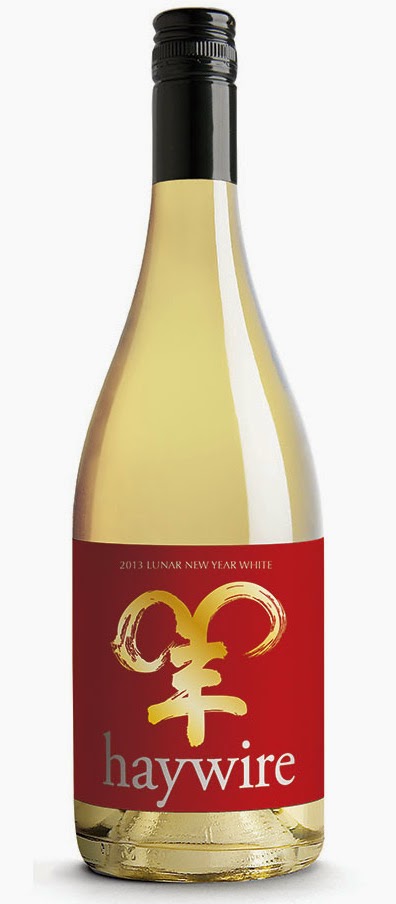
Lunar New Year White 2013 ($19.90). The wine made only 100 cases of this, a blend of Gewürztraminer, Chardonnay and Viognier. A wine with a fat Alsace texture, it has spicy aromas that jump from the glass. On the palate, there are flavours of apples, stone fruit and spice. 88.

Lunar New Year Red 2012 ($21.90 for 100 cases). This is primarily Syrah with a touch of Gamay. It begins with aromas of red fruit and white pepper, leading to flavours of black cherry with a hint of chocolate on the finish. 89.

Haywire Canyonview Vineyard Chardonnay 2013 ($22.90 for 131 cases). Canyonview is an eight-acre Summerland area from which OCP has been buying premium quality Chardonnay and Pinot Noir grapes. This wine was fermented slowly in concrete with wild yeast. The wine has a bready aroma that comes from time on the lees. It has flavours of ripe apples and citrus. The wine is complex, with a dry finish. Having said that, I still like some oak on Chardonnay. 89.

Haywire Free Form 2013 ($35.90 for 77 cases). Here is an edgy wine and an example of so-called natural winemaking. Chardonnay and Sauvignon Blanc grapes were destemmed into stainless steel tanks. The wine fermented with native yeasts. In addition to two daily punch-downs during fermentation, the wine remained in contact with the skins for eight months before being pressed. The result is a white wine for red wine drinkers. The lemon colour has a touch of haze (this is an unfiltered wine). The wine presents with a huge texture and with flavours of pineapple, tangerine, even strawberry. It is bone dry. 90.

Haywire Switchback Vineyard Wild Ferment 2012 ($29.90 for 200 cases). The estate vineyard is planted entirely with Pinot Gris. That has been left off the label to draw more attention to the terroir. This is an intense and fleshy wine with vivid honeyed and fruity aromas, leading to flavours of pear and apple. 92.

Haywire Switchback Vineyard Pinot Gris 2013 ($22.90 for 971 cases). This is a refreshing wine, with aromas of citrus and pears repeated in the flavours. There is a fine spine of minerality. On the palate, the wine opens with good weight, a textural plus from the concrete. 90.

Haywire Gamay Noir Rosé 2013 ($24.90 for 136 cases). Fermentation and aging in concrete has added flesh to the texture of this dry rosé. The wine begins with aromas of strawberry and strawberry jam, leading to flavours  of cherry and cranberry. 90-91.

Haywire Canyonview Vineyard Pinot Noir 2012 ($39.90 for 515 cases). Dark in colour, this wine spent 18 months in concrete but had a few months in barrels beforehand. It begins with aromas of toasty oak and cherry, leading to bright flavours of red berries. 91.

Haywire Canyonview Vineyard Pinot Noir 2013 (Not yet released; 500 cases). This is a bright and vibrant wine with aromas of raspberries leading to flavours of raspberry and cherry. Thanks to its concrete aging, the fruit shines with remarkable purity. This is a delicate but pretty wine. 91.

Haywire Syrah 2012 ($24.90 for 312 cases). The grapes for this came from Saddle Ridge Vineyards on Black Sage Road, south of Oliver. The wine was aged on six-year-old barrels, which contributed to the textural feel without adding wood flavours. The wine has aromas of pepper and plum. On the palate, the spicy flavours recall Christmas fruitcake. 90.


Wednesday, April 8, 2015

Hash-Tag This Mother F#cker


It is no secret that several bountiful harvests in the Okanagan and Similkameen have produced a lot of wine.

How do you move it if you are a medium-sized winery?

Church & State Wines hired Vancouver-based Brandever, the design firm run by Bernie Hadley-Beauregard. He has had many home runs since he created the name and the labels for Blasted Church Vineyards in 2002.

He has also created a lot of quirky names. One of those that never made it, thankfully, was Dangling Carrot. The owners of that winery preferred Backyard Vineyards.

Church & State’s new Lost Inhibitions labels are as edgy as they come, which seems to be just what winery owner Kim Pullen was looking for.

“Over the years, we’ve been known to speak our minds openly with consumers, peers and regulators in the wine industry,” Kim said in a statement released with the wines. “We felt it was time that we launched an equivalently mouthy wine that reflects our impassioned style and personality.”

The samples that came my way were a red called I’ve Never Felt More Classy and a white called Kiss Me Stupid.

John Pullen, Church & State’s marketing manager, says there are a number of edgy labels for these wines … perhaps as many as 100. Those bottles with the more racy labels will be found in private wine stores, probably because government stores would not be caught dead with some labels (such as the one in the headline for this blog post).

Provocative labels will sell a bottle once. Repeat sales depend on what is inside the bottle. Church & State has put good wines into these packages.

I suspect these will appeal a critical younger demographic of wine consumers. There are consumers out there who are bored with varietal wines for no good reason except that everybody else was drinking them. Remember the Anything but Chardonnay crowd? Or the lingering negativity toward Merlot after it was slagged in the movie, Sideways?

Perhaps you can pull those consumers in with good blends and far-out labels. We will know whether Brandever has hit another home run when we see patrons in the Cactus Club or Moxey’s enjoying Kiss Me Stupid.

If it really works, consumers will then search out the more staidly labelled wines from Church & State. Here’s a hint: for the next special celebration, get a bottle of Quintessential, a $55 Meritage blend that is one of the best red wines in Canada.

Here are my notes on the wines. Prices are approximate because the government’s new pricing regime is a bit hard to figure out.

Lost Inhibitions Kiss Me Stupid 2014 ($18). This is a blend of 35.18% Viognier, 19.7% Gewürztraminer, 16.83% Sauvignon Blanc, 16.36% Chardonnay, 7.3% Riesling, 3.05% Orange Muscat and 1.58% Roussanne. You know that a winemaker with the patience to make such detailed measurements might also have the patience to make a good blend. This wine begins with aromas of herbs, spices and pears. On the rich palate, there are flavours of ripe apple, pears and apricots. The wine is dry with a lingering finish. 90.


Lost Inhibitions I’ve Never Felt So Classy 2013 ($20 for 3,800 cases). This is 51.7% Merlot, 30.6% Cabernet Franc, 13.6% Malbec and 4.1% Petit Verdot. This is a delicious wine with flavours and aromas of cherry and blackberry, accentuated by hints of toasty oak and pepper. The soft tannins give this wine immediate approachability. 88.    

Sunday, April 5, 2015

50th Parallel ramps up production


 Photo: Winery logo superimposed on a Pinot Noir cluster

Since opening two years ago, 50th Parallel Estate has impressed many critics with its wines.

This Lake Country winery is based on a young vineyard. It did not have a lot of wine to release from the 2011 vintage, its first. The current releases, from 2013 and 2014, show that the winery is ramping up production quickly as the vines mature.

This can be illustrated with the flagship varietal, Pinot Noir. 50th Parallel released 100 cases from 2011, 1,286 cases from 2012 and 2,145 cases from 2013 (along with 195 magnums).

There is a comparable growth progression the other wines, with exception of Chardonnay. That variety was planted only after winemaker Grant Stanley joined the 50th Parallel partnership in 2013. The Chardonnay reviewed here is made with purchased grapes. I don’t know the grower but, judging from how excellent the wine is, I wonder if 50th Parallel might be tempted to keep those grapes in the mix after its own vines are producing.

The winery’s public facilities have grown incrementally with production, from a tasting room that was little more than a plank over two barrels to a large and elegant one opening soon.

Because the winery, near Carr’s Landing, might be perceived as being off the beaten path, the owners of 50th Parallel are developing it as a destination. The 10,000-square-foot winery opened last fall, with tasting facilities being augmented this summer.

The winery’s website includes photographs and details about this facility, which has been designed by a leading Canadian architect. Future plans include food services and event facilities with great views over Okanagan Lake.

The amenities will attract visitors and the wines will keep them coming back.

Here are notes on the current releases.


50th Parallel Gewürztraminer 2014 ($18 for 1,708 cases).
This wine delivers explosions of tropical fruit in both the aroma and the palate. It begins with aromas of lychee, peach and spice, leading to flavours of lychee, honeydew, grapefruit and spice. The perceptible sweetness on the palate makes this a real crowd pleaser, especially as an aperitif. 89.

5oth Parallel Riesling 2014 ($18 for 577 cases).
This wine begins with an appealing aroma of citrus (lime, lemon zest) with a hint
of minerals. The flavours show pristine focus, with notes of lime, lemon, apple and minerals. An exquisite balance of acidity and residual sweetness creates a tangy and refreshing finish. Buy more than one: this wine is too delicious to stop with just one bottle. 91.

50th Parallel Pinot Gris 2014 ($19 for 2,260 cases).
The wine begins with alluring aromas of pears, apples and nectarines. It is a luscious fruit bomb on the palate, with flavours of apple, citrus, gooseberry and pear. It has a lingering finish that does not want to quit. Some of the complexity and weight here comes from fermenting 20% of the wine in three-year-old French oak. The other 80% was fermented cold in stainless steel tanks. The wine is delicious now but the winery recommends cellaring it up to five years. 90.

50th Parallel Chardonnay 2013 ($32 for 328 cases).
This wine was fermented and aged 12 months in premium French oak barrels. The wine begins with a buttery and spicy aroma of expensive oak (think of cinnamon and apple pie). That translates to a creamy palate, with flavours of hazelnut, marmalade, baked apple and a never-ending finish. This is an elegant and satisfying Chardonnay. 92.

50th Parallel Pinot Noir Rosé 2014 ($18 for 803 cases).
The salmon pink hue, dramatically displayed in a clear bottle with minimal labelling, comes from the 48 hours of cold soaking the juice on the skins after crushing. The wine begins with aromas of strawberry, raspberry and watermelon. On the palate, there are flavours of cherry and wild strawberry with a hint of Pink Lady apple. This light-bodied rosé has a crisp, dry and food-friendly finish. 88.


50th Parallel Pinot Noir 2013 ($32 for 2,145 cases and 195 magnums). The wine presents itself with a deep red hue. It has aromas of strawberry and blackberry with a suggested of toast. On the palate, it has flavours of strawberry, cherry, truffles and spice. Aged 12 months in French oak, the wine still has a slightly firm texture, but with hints the silkiness that will develop. This wine is built to cellar and is nowhere near its peak. The winery suggests cellaring up to 10 years. 92.

Wednesday, April 1, 2015

Siren’s Call sounds at the farmers market


Photo: BC Wine Studio's Mark Simpson

Access to farmers’ markets for British Columbia wineries was one of the better changes in the recent overhaul of the province’s liquor regulations.

Wineries began participating in those markets last fall, offering tastings and selling product. From the reports I have heard, this is generating valuable exposure and sales.

That is not to say it is always operating well. Farmers’ markets in Nanaimo and James Bay on Vancouver Island are not allowing wineries to participate. It seems that the other market participants worry that wine sales will be done at the expense of the sales of other produce. That is an arguable proposition.

Some markets also try segregating the wineries in an area separate from the other producers. Wineries would prefer to mix in with other producers, with visibility to all shoppers. They don’t want to be pigeon-holed into tasting rooms, if only because not many people are up to serious tastings early in the morning when the markets are busy.

Having said that, the access to farm markets is valuable breakthrough that is appreciated by wineries. It is important to position wine as a farm product – and likely one that contributes farm more to the economy that some of the other products in the markets.

Mark Simpson’s BC Wine Studio, which makes wine under the Siren’s Call brand (among other labels), is one of those wineries.

BC Wine Studio’s production facility is on Oliver Ranch Road, south of Okanagan Falls. While there are plans for a wine shop, it is not open yet.

Because Mark lives in Vancouver, he began showing his wines last year at the Vancouver Farmer’s Market. Its Hastings Park Farmers Market is run every Sunday at Hastings Park (the Pacific National Exhibition grounds). When the market re-opened for the season in March, Mark was there.

“I am pleased to announce that BC Wine Studio has have been invited to return to the Vancouver Farmer's Markets this spring and summer,” Mark announced in a recent email. “I had a great time last summer, met some great people and had really yummy food bought from my fellow vendors. My favourite food was the great vegetables from the Pemberton Valley.”

Here are notes on some of the wines you might find at Mark’s table.

Siren’s Call Viognier 2012 ($20). This is a ripe and luscious white with aromas of tropical fruits and with flavours of mango, apricot and ripe peach. The alcohol is 14.4% but the fruit flavours and texture are so lush that the alcohol is in balance. 89.

Siren’s Call Harmonious 2011 ($29). This is a blend of 39% Merlot, 21% Cabernet Sauvignon, 16% Cabernet Franc, 14% Malbec, 8% Petit Verdot and 4% Syrah. This is a medium-bodied wine with bright aromas of cherry and vanilla leading to spicy black cherry flavours. The silky tannins make this wine appealing and approachable. 89.

Siren’s Call Petit Verdot 2011 ($27). This wine is almost back in hue, which is characteristic of Petit Verdot. There is a dramatic aroma of plum, black cherry, chocolate and cedar, echoed in spicy flavours of black cherry, mulberry and plum. The wine is full on the palate and the finish lingers. 91.

Siren’s Call Malbec 2012 ($27). The grapes for this vintage come from Manmohan Gill’s vineyard near Osoyoos. I note that to observe that Gill will be opening his own winery, called Bordertown Vineyards, this spring. As this wine proves, he is a good grower and he sold his grapes to a good winemaker in 2012. This wine begins with a lovely aroma of plums and cherries, leading to spicy red fruit flavours including cherry and black currant. With decanting, the firm texture becomes rich and generous. 90.

Siren’s Call Pinot Noir 2012 ($22). This is a delicious wine with a full and silky texture. It begins with aromas of spicy cherry. This is echoed on the palate, along with a Burgundian earthiness on the finish. 90.


Siren’s Call Syrah 2012 ($25). This big and bold red begins with aromas of black cherry, oak and delicatessen spices. On the palate, there is more black cherry and plum with classic notes of white and black pepper. 90.

Monday, March 30, 2015

BC Tree Fruits hits a home run with a new cider


BC Tree Fruits, which represents 80% of the Okanagan’s apple growers, is launching its Broken Ladder brand apple cider in April.

How good is this cider? Broken Ladder hits it out of the park.

This crisply dry and lightly sparking cider with 5.5% alcohol is just bursting with the aromas and flavours of fresh apples. The pristine and focussed flavours explode on the palate, recalling the experience of taking a ripe apple from a tree and biting into it. The finish is very long. If I were scoring this like a wine, it would be 90 points plus.

It is offered in 473 ml cans in a four-pack. And it will be widely available in the British Columbia Liquor Distribution Branch (LDB), as a prelude to a cross-Canada distribution.

Michael Daley, the former Vincor and Constellation Brands executive who is the cider project manager for BCTF, says that Broken Ladder enters market that is showing strong growth.

“Cider in the past year experienced double digit growth in British Columbia,” Michael says. “The growth is coming on the craft or premium side of the market, as opposed to the traditional big brands with are the sweeter style cider. Cider grew in the United States last year by 74% and over 34% the year before. Cider is taking off in the United States, very much like the craft beer industry has taken off. That’s why I think the timing is ideal for BC Tree Fruits to be involved in the cider market.”

Figures from the LDB support this. Cider sales in the LDB in 2014 totalled $72.6 million, up from $63.3 million the year before. Those sales have been climbing for some time. In 2010, the LBD sold $48.9 million worth of cider.

“This is a great opportunity to find a value-added opportunity for Okanagan apples,” Michael says. Growers struggle continually to compete in the fresh market, notably with apples from Washington State. There, the apple production is something like 30 times the size of the Okanagan’s production. Washington’s surpluses can, and often do, overwhelm the Okanagan, depressing grower returns.

In addition to releasing the cider through retail channels, BCTF is also establishing its own tasting room in Kelowna (at 880 Vaughan Avenue).

The irony is that the tree fruit industry has done this before. In the 1950s, at the request of apple growers,  a Summerland Research Station scientist, John Bowen, worked with F. A. Atkinson, the station’s director, to develop cider from the Okanagan's abundant sweet eating apples.

Traditional cider in Europe is made from tart cider apples, whose flavour is an acquired taste for some. Bowen pressed the juice from Red Delicious and the more acidic Jonathan apples in a seventy-five per cent/twenty-five per cent blend. This juice was sweetened and then fermented with wine yeast, with fermentation stopped before the cider was fully dry. It was then carbonated -- Bowen called it "a half-baked champagne process" -- and bottled.

The first commercial quantities were bottled at a brewery in Princeton; the inventory and the process were acquired by Growers Wine Co., which scored a long-lasting success with the cider.

As a result of mergers over the years, the Growers brand is now owned by Constellation Brands. The portfolio of ciders under the Growers brand has grown to include flavoured ciders, fruit ciders and ciders made with apple concentrate.

BCTF went back to basics, enlisting the research station’s help in creating Broken Ladder. The cider uses six apple varieties: Ambrosia, Granny Smith, Pink Lady, McIntosh, Braeburn and Golden Delicious.

BCTF also recruited winemaker Bertus Albertyn (left) to make the cider. Born and trained in South Africa, he is the co-owner and winemaker at Maverick Estate Winery. He also was Burrowing Owl’s winemaker for four years.

“The Broken Ladder cider is almost more along the lines of an apple wine from Germany,” Bertus says. “It is not your traditional cider. I really like it.”

There is logic to using an experienced winemaker. “We really wanted to have a cider that was well-balanced, just like you balance a white wine,” Michael says. “It has the right acidity and the right fruitiness and the mouthfeel.”

Ciders are quite competitively priced. Okanagan Premium Ciders, made by Mark Anthony Brands, offer six-packs of 355 ml cans at $9.99. Growers, Lone Tree Cider and Duke’s Cider (the latter from Kelowna’s Tree Brewing Company) sell six-packs for $10.99 while Red Rock Cider is $11.95 for a six-pack. At the high end is Bulmer’s Strongbow from Britain, at $14.95 for a six-pack.

“Our first product is in a can,” Michael says of Broken Ladder. “It is 473 ml. There will be four cans in a four-pack, selling for $11.49. It is more expensive than some of the commercial ones but it is still a great price point.”

 BCTF stress that Broken Ladder is “an authentic hard cider made 100% … from our own fresh crushed apples.”

Michael believes this will appeal to the millennials who are driving the cider market. “They really search out things that are authentic,” he says. “That is why we felt it was important that we come up with a product that met those needs. It costs a little more money, not to add water. Adding water and adding flavourings is way less expensive but it is not what we want to be doing.”

BCTF has additional products under development, including a pear cider in a can and sparkling cider in a 750 ml Champagne bottle.


Thursday, March 26, 2015

Vancouver Island vintners come to Vancouver


 Photo: Roger Dosman of Alderlea Vineyards

At a recent Vancouver tasting of Vancouver Island wines, I observed the “two ships passing in the night” problem that holds back sales of island wines.

At one winery table, two guests kept asking where they could find the wines they had just tasted. The vintner kept repeating where the wines are available in Victoria and in the Cowichan Valley.

Hello! We were in downtown Vancouver. In fact, we were a block from a Liberty wine store that likely had a limited selection of the wines being tasted, assuming the Liberty buyer had been lined up to support the tasting.

Of course, most of the island wineries are small and can sell most of their production right on the island. However, several formerly small producers have recently come into the hands of ambitious new owners. Volumes of wine are growing above the quantities that can be consumed locally. Some aggressive selling is in order.

This tasting was organized by Richard Massey, an agent who represents several island producers. Hats off to Richard for herding cats! There are interesting wines across the water, especially from the warm 2013 and 2014 vintages.

As usually, time ran out before I completed a round of the room. There are no notes here for Averill Creek nor 40 Knots, both subjects of recent blogs. Blue Grouse Vineyards is planning a major re-opening at the end of May and I expect to blog on that winery then. I also missed the Unsworth Vineyards table but heard very positive comments from other tasters.

Here are some of the other wineries and products of interest.

Alderlea Vineyards. Roger Dosman, a seasoned winegrower, opened this winery in 1998 and has always made wine just from his picture-perfect 10-acre vineyard.

Alderlea Bacchus 2013 ($14) is spicy and aromatic, with notes of grapefruit and peach on the palate. The wine is crisp and refreshing, with a dry finish. 90.

Alderlea Pinot Gris 2013 ($15.80). Partially barrel-fermented, this wine delivers layered aromas and flavours of apples, pears and citrus. The texture is generous while the finish is crisp and refreshing. 90.

Alderlea Pinot Noir 2011 ($19.30). This lovely silky wine has aromas and flavours of strawberry and raspberry with a touch of spice on the finish. 90.

Alderlea Clarinet 2011 and Alderlea Clarinet 2012 ($15.80). This is Roger’s Maréchal Foch. He calls it Clarinet because, as he once said, “it is too good to be called Foch.” It was instructive to taste the two vintages, the cool 2011 and the ripe 2012. I preferred the ripe flavours of the 2012, showing plums, black cherry and blackberry with a touch of coffee and pepper. 90.

Cherry Point Estate Winery opened in 1994 and has been owned since 2009 by Xavier (right) and Maria Bonilla. He is a Colombian-born agricultural economist who, with his trademark black beret, looks like a French or Spanish vigneron. Some of his inspiration comes from the wines of Rioja.

Cherry Point Gewürztraminer 2013 ($27.90) has aromas and flavours of spice, grapefruit and lime, with a dry finish. 88.

Cherry Point Ortega 2013 ($27.90). This fresh, dry white has a flavour palate that includes melon, apple, guava and grapefruit. 88.

Cherry Point Pinot Gris 2012 ($24). The pleasing texture of this wine comes from some moderate aging in neutral barrels. There are flavours of pear and apples with a hint of spice and nuts on the finish. 90.

Cherry Point Lágrimas Negras 2012 (N.V.). This is one of the winery’s Spanish-influenced wines. Dark in colour, it is a blend of Agria and Castel grapes. It has smoky cherry aromas and gamey flavours of dark red fruits. 88-90.

Cherry Point Bête Noir 2011 Gran Riserva (N.A.). This wine is also built with Agria and Castel and is also influenced by Spanish wines. The volatility recalls old Vega Sicilia. The wine has flavours of back cherry and dark chocolate. 87.

Cherry Point Pinot Noir Reserve 2011 ($27.70). Aged 10 months in barrel, this wine has aromas and flavours of cherry and raspberry with a hint of oak. The texture is firm. 88.

Cherry Point Cowichan Blackberry ($24 for 375 ml). Cherry Point was the first Vancouver Island winery to make the port-style blackberry wine that has become a signature for the island. This is a rich, ripe wine that mirrors the flavours of sun-bathed blackberry. It is sweet but well-balanced. 88.

De Vine Vineyards opened in 2010 on the Saanich Peninsula. One of its claims to fame is that it was the first winery in British Columbia to produce Grüner Veltliner.

Winemaker Ken Winchester (left) presented a tank sample of Ortega 2014 that I chose not to rate in its unfinished form. The Pinot Gris 2014 tank sample was much more promising.

There were two surprises. De Vine Zinfandel 2012 ($24) made with Okanagan grapes, is a ripe and boldly oaked red, with brambly aromas and flavours. This is drinking well now with plenty of upside if cellared. 88-90.

The other surprise was a Calvados-like apple spirit. De Vine also has a whisky and a gin in the works. Whatever name is given to the Calvados, it is a generous, soul-warming spirit.

Garry Oaks Winery, which opened in 2003, is the oldest of the three Salt Spring Island wineries. Marcel Mercier is another good winegrower and Elaine Kozak, his wife, turns the grapes into very good wine.

Garry Oaks Pinot Gris 2013 ($23). This full-bodied wine recalls Alsace, with flavours of apples, pears and melons. The wine has both weight and length, with a crisp, refreshing finish. 90.

Garry Oaks Pinot Noir Zweigelt 2013 (Not yet released). Elaine made this unusual blend just before bottling when she concluded it is better than either of the components (it is 60% Pinot Noir). Blending anything with Pinot Noir is chancy but this wine works, with appealing aromas and flavours of cherry and blackberry, leading to a spicy finish. 90.

Garry Oaks Pinot Noir 2012 ($24). This elegant wine begins with lovely aromas of cherry and strawberry; these are echoed in the flavours. The texture is seductively silky. The finish lingers and there is a touch of well-integrated oak. 90.

Garry Oaks Zweigelt 2012 ($24). This wine is firm and lean with aromas and flavours of plum and blackberry with an earthy mineral backbone. 88.

Mistaken Identity Vineyards opened on Salt Spring Island in 2009. It has been for sale for about a year but continues to burnish the assets by releasing good wines.

Mistaken Identity Bianco 2013 ($16.99) is a blend of six white varieties grown in the estate vineyard. The wine is crisp and refreshing, with aromas and flavours of pineapple, apple and melon and with a touch of residual sugar to flesh out the palate. 90.

 Mistaken Identity Pinot Noir Rosé 2013 ($16.99). I am surprised this tasty rosé was not all consumed last summer by visitors to Salt Spring. It is bursting with strawberries, raspberries and red cherries with a touch of sweetness well-balanced with bright acidity. 88.

Mistaken Identity Rosso 2013 ($22.99). This is a blend of Zweigelt, Leon Millot, Maréchal Foch and Cabernet Foch grapes. A dry red, it offers flavours of plum and blackberry with notes of coffee and dark chocolate. 88.

Mistaken Identity Debut 2010 ($22.90). This is 80% Merlot, 20% Cabernet Franc, presumably from Okanagan fruit since neither of these varieties ripen on Vancouver Island. Several other island producers also release wines made from Okanagan fruit in order to offer the full range that consumers expect. This is a delicious red, with aromas and flavours of black currant, black cherry and vanilla with hints of dark chocolate and coffee. It is boldly oaked. 89.

Rocky Creek Winery, owned by Mark and Linda Holford, will celebrate its 10th anniversary this year. The winery opened initially in the ground floor of a residence in Ladysmith before moving in 2008 to a farm in the Cowichan Valley. They came to the tasting with three wines from the stellar 2014 vintage – perhaps the best ever vintage since grape growing began on the island in the 1980s.

Rocky Creek Siegerrebe 2014 ($20). This is a classic expression of a variety sometimes called Gewürztraminer on steroids. It has bold spicy and floral aromas and the flavours are a fruit salad in a bowl. 88.

Rocky Creek Pinot Gris 2014 ($18.50). The winemaker left the juice on the skins for 18 hours, extracting flavour, aroma and a hint of salmon pink colour. It begins with aromas of rhubarb and citrus that are echoed on the full-flavoured palate. This is a refreshing white, nicely balanced to finish crisply. 90.

Rocky Creek Robin’s Rosé 2014 ($18). This is a Pinot Noir rosé (also 18 hours of skin contact) with aromas and flavours of strawberry and cherry. It is finished crisply dry, recalling rosés of Provence. 90.

Rocky Creek Pinot Noir 2013 ($22). This wine has aromas of cherry and cranberry, with flavours of cherry and plum and with a Burgundian earthiness on the finish. 88.


Tod Creek Craft Cider is a cidery that opened last year in Victoria. It was one of three cideries at the Vancouver tasting. Time ran out before I could  taste the products from Merridale Cidery and Sea Cider. Both of these have been in the market for some time and are excellent.

Tod Creek Tod Cider ($11.30 for a four-can pack). This blend of cider and dessert apples is refreshing, with a crisp and dry finish. 88.

Tod Creek Bamfield Bound Cider ($6.10 for 500 ml). Cidermaker Chris Schmidt uses a dash of maple syrup to finish this cider. It is a full-bodied cider with crisp apple flavours and with a slightly tart finish. 90.

Tod Creek Mala-Hop Cider ($6.10 for 500 ml). This is an intriguing hopped cider. If you like the slightly bitter and smoky taste of hops (I do), you will like this well-made craft cider. 89.

Venturi-Schulze Vineyards was opened by 1993 by Giordano Venturi and Marilyn Schulze (now with daughter Michelle). They have pioneered techniques for growing wines and they always make interesting, and occasionally eccentric, wines. Not to mention their balsamic vinegar, an exceptional product.

Venturi-Schulze Brut  Naturel 2010 ($32; $18.50 for a half bottle). The cuvée for this dry bottled-fermented sparkling wine is Pinot Auxerrois and Pinot Gris. No dosage or sulphites have been added. The wine begins with bready aromas, is creamy on the palate, has tangy citrus flavours and a crisp finish. 90.

Venturi-Schulze Sassi 2012 ($26). This blend of Pinot Gris and Ortega has a bouquet of aromas and flavours – pear, apple, citrus and melon with a touch of spice from the French oak-aged portion of the blend. 90.

Venturi-Schulze Primavera 2012 ($20). This light, off-dry wine is a blend of Schönburger and Ortega. It is crisp and fresh, with notes of citrus and spice. 90.

Venturi-Schulze Terracotta 2011 ($28). This is a deliciously eccentric white. Aged 30% in French oak, the wine has a golden hue. It has honeyed aromas and flavours of apricot and nuts, with a spicy finish recalling cumin. This dry wine is 100% Siegerrebe. It is a wine to savour, perhaps with a good cigar. 90.

Venturi-Schulze Pinot Noir 2011 ($45). Even though 2011 was a difficult vintage, the winery made a superb silky Pinot Noir with aromas and flavours of cherry and raspberry. The wine was aged in two and three-year-old French oak barrels. 90.

Venturi-Schulze Pinot Noir Reserve 2009 ($54.96). The 2009 vintage was hot. Consequently, this is a big wine with ripe flavours of cherry and plum. The wine, aged in two-year-old Nevers barrels, is silky on the palate, with a long and elegant finish. 93.

Venturi-Schulze Brandenburg No. 3 2010 ($35.50 for 375 ml). This is another eccentric wine that is incredibly delicious. This amber-hued wine bursts with aromas and flavours of cassis and caramel. With just 7.7% alcohol, it is a dessert wine that is easy to drink on its own because it is not overly sweet; and also pairs well with both savoury dishes and custard deserts. 90.

Zanatta Winery, which was licensed in 1990, is the oldest winery on Vancouver Island. The winery’s 30-acre vineyard grows 40 different varieties, including British Columbia’s only commercial planting of Cayuga, a New York hybrid.

Zanatta Glenora Fantasia Brut NV ($28.50). This is a traditional sparkling wine from the Cayuga grapes. It is aged at least five years on the lees. The wine begins with aromas of lees and green apples, leading to a fruity palate and a crisp finish. 88.

Zanatta Brut Tradizionale NV ($28.95). The cuvée is Pinot Noir and Chardonnay, in the tradition of Champagne. Time on the lees has given the wine a toasty aroma and rich nutty flavours. 88.

Zanatta Pinot Grigio 2013 ($17.95). This is a full-bodied dry white with flavours of apple and pear. 88.

Zanatta Damasco NV ($16.50). This is perhaps the winery’s most popular white – a 2014 blend that includes Muscat, Ortega and Madeleine Sylvaner. The wine begins with spicy and floral aromas. On the palate, it is fresh and juicy, with hints of citrus and apple. 90.


Sunday, March 22, 2015

Averill Creek hosts Pinot Noir vertical


 Photo: Averill Creek proprietor Andy Johnston


Recently, Averill Creek Vineyards proprietor Andy Johnston hosted a rare vertical tasting of every Pinot Noir made at his Cowichan Valley winery between 2005 and 2012.

All of those who attended had tasted some of Andy’s Pinot Noirs but none had tasted them all. It is unlikely that anyone not living on Vancouver Island would have been able to collect such a vertical. It is hard to find Vancouver Island wines anywhere else.

That is unfortunate. These are impressive wines from a terroir that, arguably, suits Pinot Noir.

“I think it is fantastic that we can make these wines in the Cowichan Valley,” Andy says. “I feel they have more elegance and complexity than most Okanagan Pinots. The style is very different from the Okanagan.” Andy’s views have mellowed: he once argued that the Okanagan is too hot for Pinot Noir. He now admits admiration for several Okanagan Pinot Noir producers.

Before he became a grape grower, Andy was a doctor. Born in Wales in 1947, he came to Canada in 1973 and practised medicine in Alberta for about 30 years. In the 1990s, concluding that “there are only so many patient visits in me,” he decided to switch careers. He prepared by working vintages over several years in Italy, Australia, France and New Zealand.

While doing that, he acquired a property north of Duncan, on the fairly steep southward slope of Mount Prevost. He began planting vines in 2002, devoting a third of the 12-hectare (30-acre) vineyard to four Pinot Noir clones. He began making wine at Averill Creek in 2005. A New Zealand winemaker helped him in that vintage. Since 2008, his winemaker has been Daniel Dragert, a Vancouver Island native with a winemaking degree from Lincoln University in New Zealand.

“Daniel is very much on my wave length – or I am on his wave length – in terms of the style of the wine we want to make,” Andy says. “He’s a very natural winemaker. He just tastes the grapes, he tastes the wine and he knows what he wants to do with it. We discuss it but he is spot on every time. I don’t have to worry about it.”

What he needs to worry about is the variable climate of Vancouver Island. This shows in the dramatic production swings from vintage to vintage.


Vintage
Cases produced
2005
  460
2006
  680
2007
  350
2008
  660
2009
1,220
2009 Reserve
  220
2010
  950
2011
  470
2012
  689


“You have got to go with what the Good Lord gives you each year,” Andy explains. “You cannot make a formulaic wine in the Cowichan Valley because there is so much variation in the years.”

He offers an example of the 2013 vintage.

“We had a major disaster because on September 14, we had a huge rain storm,” he recounts. “The Pinot was at that very delicate stage where it was about ready to be picked. A tremendous amount of fruit was knocked off the vines. We lost six or seven tons in one night. We ended up picking after that. It didn’t rain for much of October, so what we got eventually was lower in quantity but really high in quality.”

Th3 2013 vintage is a few years away from release, as is the 2014, a vintage that promises to be as bounteous and as high in quality as 2009.

While the climate is variable, Averill Creek’s Pinot Noirs still show a remarkable consistency in style from year to year.

“I love the development of these wines from 2012 back to 2005,” Andy said at the end of the tasting. “These are all Averill Creek Pinot Noirs. The identity is there. I am really pleased with that.”

The Averill Creek Pinot Noir currently in the market is the 2010, modestly priced at $26 a bottle. Look for the 2011 later this year. The winery also still has 2009 Reserve available at $70.


Here are some notes on the wines. I scored them all 90 or higher, with 95 for the 2009 Reserve.

2005 Pinot Noir: This wine is at its peak, but what a peak! It is an elegant, feminine wine with strawberries and raspberries in both the aroma and palate.

2006 Pinot Noir: A tasting group favourite, this is a savoury wine with aromas of black berries and leather that are echoed on the silky palate.

2007 Pinot Noir: While oak is rarely obvious in Averill Creek’s Pinot Noirs, the appealing toasty notes in the aroma and palate seem to suggest there was a toasted barrel in the mix this vintage. It also accentuates the quite Burgundian “forest floor” flavours in the wine.

2008 Pinot Noir: This is a fragrant wine with aromas of dried cherries and violets; there is strawberry and raspberry on the palate, with an earthy finish.

2009 Pinot Noir: This full-textured wine appeals with ripe flavours of cherry and plum.

2009 Pinot Noir Reserve: There is more of everything here ... more power, more ripe flavours. The wine was made from grapes picked a few weeks later than the regular Pinot Noir. The winery then cherry-picked the best barrels to make a very impressive wine. So far, it is Averill Creek’s only reserve Pinot Noir, although there likely will be a reserve from 2014.

2010 Pinot Noir: This wine has an intriguing note of white pepper on the nose and on the palate, along with bright flavours of cherry and raspberry.

2011 Pinot Noir: This was a difficult, cool vintage but Andy pulled of a good wine by being brutally disciplined with crop load. He had to drop so much fruit through the season to ripen the grapes that Averill Creek’s vines yielded just ¾ of a ton per acre. At that production, Andy may well be losing money on every bottle of this vibrant, spicy Pinot Noir.


2012 Pinot Noir: Consumers will not see this wine until 2016 – but Andy is sending it to competitions this year to see “what the world thinks.” It is a terrific wine – aromas of spice and cherry that repeat on the palate. This is a wine with lots of finesse and ability to age.