Friday, January 7, 2022

Quails’ Gate: winery with a foot in two camps

Photo: Quails' Gate president Tony Stewart (courtesy Quails' Gate Estate Winery)
Quails’ Gate Estate Winery is a rare example – perhaps the only one – of a Canadian winery which also operates winery assets in California. Quails’ Gate president Tony Stewart and his family dipped a toe into California in 2011, when they entered into a joint venture in Napa called Plume. While the wines were distributed in Canada for several years, a collapse in the value of the Canadian dollar eroded the margins and the brand, which had no production facility of its own, was shelved for several years. The brand has now returned to this market (to private wine stores) with a Plume Napa Valley Chardonnay and a Plume Alexander Valley Cabernet Sauvignon.
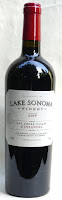
In 2012, the Stewart family purchased two historic Sonoma wineries, Lake Sonoma and Valley of the Moon, from F. Korbel & Bros. Four years later, the Stewarts bought a third Sonoma producer, primarily to get a production facility and tasting room for Lake Sonoma. Subsequently, the Lake Sonoma wines have begun to show up in Canadian wine stores. Three samples recently were sent to me for review, along with three current releases.
The Stewarts believe their wine business benefits from the synergies of operating in two wine regions. “We have gained a lot of intellectual capital,” Tony Stewart told me in 2016. “Our knowledge of markets in the U.S. has made us much more aware of how the changes in British Columbia may affect us, with grocery stores coming into play.” He continued: “Every year we are getting together as a leadership team and meeting winemakers and management from both wineries. We communicate how we are handling club business or the wine shops and production issues. The wine club business in the U.S. is much more developed than Canada, so that has been a huge eye-opener to us as to what we have to try and do at Quails’ Gate in order to keep up with the consumer who is looking for something more than the club that offers discounts. They want some unique attributes to the club. We are adding a whole bunch of things at the Quails’ Gate wine club to take us to the next level.” Here are notes on the wines.
Lake Sonoma Dry Creek Valley Zinfandel 2018 ($25.99 plus tax). This wine is available both in the Liquor Distribution Branch and in private retail stores. The wine has an appealing brambly and spice character with sweet flavours of blackberry and raspberry. 90.
Lake Sonoma Sonoma Coast Pinot Noir 2018 ($29.99 plus tax). This wine in private retail stores in B.C. The wine begins with rich aromas of cherry and plum, leading to flavours of cherry, ripe strawberry and spice. The tannins are long and silky. 90.
b>Lake Sonoma Sonoma County Cabernet Sauvignon 2018 ($29.99 plus tax). This wine is available both the Liquor Distribution Branch and private retail stores in B.C. The wine was aged 16 months in a combination of French and American oak barrels. The wine begins with aromas of black currant and blueberry. On the palate, there are flavours of cherry, dark fruits, chocolate and spice. The supple tannins give the wine immediate drinkability. 90.
Quails’ Gate Stewart Family Reserve Chardonnay 2019 ($45). This wine, which is the flagship white at Quails’ Gate, is fermented in French oak (new and used barrels). This is a technique which integrates the oak with the fruit to yield a seamless wine. It begins with rich buttery aromas mingled with tangerine and nectarine. The palate echoes the aromas. This full-bodied wine has a long, appealing finish. 92.
Quails’ Gate Stewart Family Reserve Pinot Noir 2019 ($55). This is the flagship red wine at Quails’ Gate, with grapes from premium blocks at the estate vineyard. Some of the vines date from the 1970s. The wine spent 17 days on the skins during fermentation and was then aged 17 months in French and neutral oak. The wine begins with aromas of cherry, raspberry, mocha and spice. The full, silky texture delivers flavours of cherry and plum, with a persistent finish. 92.
Quails’ Gate Old Vines Foch 2019 ($25.99). This wine was aged 16 months in American oak (both new and neutral). The wine begins with aromas of cherry and tobacco. On the palate, there are flavours of plum, cherry and tobacco with a wild, earthy undertone on the finish. The wine benefits from being decanted. 90. The three Quails’ Gate wines are available at the West Kelowna winery and periodically in the Liquor Distribution Branch and at private wine stores.

Monday, January 3, 2022

Hester Creek delivers affordable wines

Photo: Winemaker Mark Hopley
Every day, we hear of, or experience, rises in food prices. There is no doubt that the trend is real. But if Hester Creek Estate Winery is any example, wine prices are still stable. The cost of the wines reviewed here have not changed since the previous vintage, and perhaps not for several years. Winemaker Mark Hopley and his team continue to quality wines that we can afford. My advice is stock up on these wines, because they are good value and because several are from the 2019 and 2020 vintages, two of the best recent Okanagan vintages.
Prices might well be revisited by the industry when wines begin to be released in 2022, if only because overall wine production was down somewhat in 2021 – and not just here but in other wine regions as well, due to climate change issues. And then there has been the phenomenol success of wine clubs among the wineries in the Okanagan and the Similkameen valleys. If you don’t belong to a club, you will not even have access to many wines. While Hester Creek has a wine club, all of the wines reviewed here are available at the winery, on-line and at liquor stores, including in several examples, at the BC Liquor Distribution Branch stores. Here are notes on the wines.
Hester Creek Select Vineyards Merlot 2020 ($17.99). To make this wine, the winemaker put whole berries into Hester Creek’s Ganimede fermenters for a two-week ferment. The wine was then aged eight months in barrel (60% French, 40% American). Juicy and easy drinking, the wine begins with aromas of dark berries. On the palate, there are flavours of cherry and black currant mingled with a hint of chocolate. 90.
Hester Creek Select Vineyards Cabernet Merlot 2020 ($17.99). This is a blend of 48% Merlot, 30% Cabernet Franc and 22% Cabernet Sauvignon. The wine was aged eight months in barrel (75% French, 25% American). The wine has a full, generous texture, beginning with aromas of plum and cherry. On the palate, there are flavours of plum, black currant. 90
Hester Creek Character Red 2020 ($18.99). This is a blend of Italian Merlot, Syrah, Petit Verdot and Malbec. The lots were blended after fermentation and aged eight months in barrel (75% French, 25% American). This wine has always overdelivered and does it again from the superb 2020 vintage. It begins with aromas of spice, cherry and blueberry. On the palate, the wine delivers rich flavours of plum, cherry and black pepper. 91.
Hester Creek Old Vine Merlot 2019 ($25.99). Fruit from vines that are about a quarter of a century old has produced a concentrated wine with dramatic aromas of plum, black currant and vanilla. The palate delivers generous fruit flavours, with plum, and dark cherry mingled with a hint of sweet oak. The barrels in which this wine was aged for 18 months included new French oak. The wine is delicious now but will age to even great elegance over the next five to seven years. 93.
Hester Creek Old Vine Cabernet Franc 2019 ($25.99). By limiting production from old vines (some dating from 1968), the winery has crafted a wine that is concentrated and complex. The wine was aged 18 months in barrel (75% French, 25% American. The wine begins with classic brambleberry and spice aromas. On the palate, the wine delivers flavours of raspberry, cherry and blackberry. 92.
Hester Creek Old Vine Late Harvest Pinot Blanc 2019 ($16.99 for 200 ml bottle). The flavour intensity of this dessert wine is because the grapes remained on the vines until November 11, 2019, after a cold snap created near icewine conditions. The wine delivers luscious honeyed flavours of nectarine, peach and pineapple. Bright acidity balances the residual sugar, so that the wine has a long, refreshing finish. The ideal pairing for this wine is soft blue cheese. 93.

Tuesday, December 28, 2021

Gray Monk duo of year-end releases

Photo: Winemaker Jen Oishi (courtesy Gray Monk Estate Winery)
This is the time of year when the most sparkling wine is consumed, unless, like me, you enjoy bubble in every season. I would drink the Gray Monk Odyssey White Brut 2018 on any occasion. Gray Monk Estate Winery in Lake Country is one of the Okanagan’s pioneering wineries. Founded by George and Trudy Heiss, it will be celebrating its 40th anniversary in 2022. The Heiss family sold the winery in 2017 to Andrew Peller Ltd. The winery, which is now in a grand building that could be a chateau in Europe, remains a destination stop for the many wine tourists who come to Lake Country each summer.
Monk’s Blend is a new addition to the portfolio, made with grapes grown in the South Okanagan, where Syrah and Cabernet Sauvignon are classic blends with such wineries as Burrowing Owl. Producers in Australia and California may have been leaders in creating these blends. The blend works because Cabernet Sauvignon contributes structure while Syrah brings flesh and fruit to the party. Arguably, this blend can be more satisfying that many Meritage blends but not as suitable for aging. Winemaker Jen Oishi’s blend for the sparkling wine is clever. The Chardonnay Musqué brings fruity aromas and flavours while the Riesling and the Pinot Blanc add structure and acid.
Jen Oishi was born and raised in the Okanagan, immersed in the Okanagan way of life. Growing up surrounded by orchards and vineyards peaked her interest in the wine industry. After completing her degree in Microbiology from the University of British Columbia, Jen joined the Gray Monk team in 2011. It was here that she was able to pair her love of science with the artistic side of winemaking. Here are notes on the two wines.
Gray Monk Odyssey White Brut 2018 ($26 for 1,330 cases). This traditional method is a blend of 53% Chardonnay Musqué, 30% Riesling and 17% Pinot Blanc. The secondary fermentation was in bottle and the wine rested on the lees in bottle for 18 months before being disgorged. The wine has quite active and creamy mousse. It begins with aromas of brioche and fruit. On the palate, there are peach mingled with lemon and green apple. The finish is dry. 90.
Gray Monk Monk’s Blend 2020 ($17.99). This is a blend of 73% Syrah and 27% Cabernet Sauvignon. Each varietal was fermented separately and aged both in stainless steel and in French and American oak barrels (mostly two and three years old) for eight months. The wine begins with aromas of plum, cherry and spice from the barrels, all of which is echoed on the palate. There is a hint of pepper and licorice on the finish. The tannins are soft and silky. Serving this wine very slightly chilled accentuates the fruit. 90.

Thursday, December 23, 2021

Cassini Cellars made powerful reds in 2018

Photo: Adrian Cassini in the winery cellar
The fall release of 2018 vintage red wines from Cassini Cellars at Oliver is impressive, to say the least. I scored every wine above 90 points. Of course, I have a bias. I enjoy big reds and those are the sort of wines made by Adrian Cassini, the winery’s owner, especially in a vintage like 2018.
In his notes on the vintage, Adrian writes: “The 2018 growing season began three weeks later than normal, and cooler than average temperatures resulted in delayed budding and flowering of the vines. With Autumn arriving earlier than expected, grapes were left hanging longer in order to develop the fruit flavours, powerful tannins and a firm acid backbone that will give the wines from this vintage a long life.” He supplemented his viticulture with winemaking techniques designed to enhance the intensity of the wines. “Temperature control for slow fermentation, extended skin contact and pneumatage twice a day give [these wines] rich colour and extraction with great complexity and balance.” Pneumatage is winespeak for various techniques of pumping the fermenting wine over the cap of skins during fermentation to extract colour and flavour.
Adrian’s winemaking extends to bold barrel-aging regimes. His flagship wine, Godfather Red, is aged 24 months in new French oak. Long barrel aging allows the oak flavours to integrate with the wine. While one tastes the oak in Adrian’s reds, the flavours are muted, with chocolate and spice notes rather than harsh wood. Here are my notes on these delicious reds.
Cassini Cellars Quattro 2018 Collector’s Series ($37 for 1,300 cases). This is a blend of Cabernet Sauvignon, Merlot, Cabernet Franc and Syrah. The varietals were aged in new and two-year-old barrels (80% French, 20% American) for 14 months. The blend was assembled two months before bottling. The wine begins with aromas of black currant, blueberry and cherry, with a hint of toasted oak, all of which is echoed on the palate. The tannins are subtle, with a firmness of texture that suggests this wine will age. Decant for early drinking. 91.
Cassini Cellars Nobilus Merlot Collector’s Series 2018 ($40 for 300 cases). This bold red (15.4% alcohol) was aged 24 months in new French oak. It is an age-worthy wine that benefits from decanting. It begins with aromas of cassis, spice and oak. On the palate, there are flavours of black currant and plum mingled with sweet oak. 92.
Cassini Cellars Cabernet Franc 2018 Collector’s Series ($40 for 275 cases). The winery believes that Cabernet Franc “could be a signature red for Canada.” A big, ripe red (15.3% alcohol) makes the case well. The wine was aged 24 months in new barrels (80% French, 20% American). It begins with intense brambleberry aromas (blackberry, raspberry and black currant) leading to flavours of black cherry, blackberry and cocoa. The finish is long and satisfying. 91.
Cassini Cellars Malbec 2018 Limited Edition ($40 for 200 cases). This wine, new to the Cassini portfolio, was aged 14 months in new and two-year-old barrels (70% French, 30% American). It begins with aromas of spice, blackberry and cherry. Rich in texture, the wine delivers flavours of cherry and plum with hints of tobacco and vanilla. 92.
Cassini Cellars Maximus 2018 Limited Edition ($45 for 450 cases). This is a big (15.5% alcohol) blend of 47% Cabernet Sauvignon, 37% Cabernet Franc, 11% Merlot, 4% Malbec and 1% Petit Verdot. The wine was aged 14 months in new two-year-old barrels (80% French, 20% American). It begins with aromas of cassis, vanilla and cocoa. On the palate, there are flavours of rich, dark fruit mingled with oak. The finish is long. 93.
Cassini Cellars Cabernet Sauvignon 2018 The Aristocrat ($45 for 300 cases). This elegant yet powerful wine, selected from the best eight barrels out of 45, begins with aromas of cassis and red berries. Two hours of breathing allowed this tightly structured wine to reveal flavours of black currant, plum, black cherry, black olives and mocha. A classic age-worthy Cabernet Sauvignon. 92.
Cassini Cellars Godfather Red 2018 ($80 for 75 cases). This is a blend of 67% Cabernet Sauvignon and 33% Merlot, aged 24 months in new French oak barrels. It is a concentrated wine with power and longevity. It begins with aromas of cassis, cherry and chocolate. On the palate, flavours of plum, fig and cherry are integrated with vanilla and oak. 95.

Wednesday, December 15, 2021

Fort Berens releases three vintages

Photo: Winemaker Alex Nel (Credit Brad Kasselman)
The fall releases from Fort Berens Estate Winery in Lillooet were made by two different winemakers and have set a high standard for the new winemaker, Alex Nel.
“Over the last few years, we have had a few transitions in winemakers,” co-founder Rolf de Bruin observes. South African born and trained Danny Hattingh was Fort Beren’s winemaker from the 2014 vintage through the 2018 vintage before leaving to set up a coffee business in the Okanagan. Ontario-trained James Cambridge, who had been the founding winemaker at Fort Berens in 2012 before going to Backyard Vineyard in the Fraser Valley, returned to the Lillooet winery in early 2019. He left after the 2019 vintage to deal with a family matter.
“We were very fortunate to find Alex Nel through an international search,” Rolf says. Alex is also from South Africa. He graduated in 2008 from the renowned Elsenburg Agricultural Training Institute (where Danny also trained). In addition to doing harvests in New Zealand and California, Alex was the winemaker and brewmaster at Cederberg Wines, a family-owned South African winery highly rated for wines from its high-altitude terroir. “Having worked with Danny, we knew that South African winemakers are highly educated, often with work experience around the globe,” Rolf says of the decision to recruit Alex. “There was a great fit, as Alex worked in a remote area in South Africa, which made the move to Lillooet seem like a step toward a more urban lifestyle.”
The decision to hire Alex was made in March 2020. Due to the Covid pandemic, Alex was unable to leave South Africa until December 2020. “Luckily, Danny Hattingh was willing to jump back in for the 2020 vintage,” Rolf says. “Alex took over in January 2021 to finish the wines for bottling.” And he started the 2021 Fort Berens vintage by pruning the vines last spring. He comes with a strong track record that includes a trophy at the Global Fine Wine Challenge for the Cederberg Chenin Blanc 2020 and a Top 100 at Decanter Wine Competition for the Cederberg Five Generations Cabernet Sauvignon 2018. “Alex has made several changes to our winemaking protocols to further raise the quality of the wines,” Rolf writes in a letter accompanying the new releases. “Our white wines are made extremely reductive, combined with aromatic yeasts and cold fermentations to produce fresh, lively white wines with great aging potential.”
As for the red wines, Alex directed that the grapes be picked selectively within each block as the grapes were ready. In the winery, the grapes had a one-night cold soak before fermentation. The wine had as much as 20 days on the skins after fermentation to produce more intense colours and fine tannins. Fort Berens also enhanced its barrel aging program. The winery purchased an additional 60 barrels so that all the reds will be aged in barrel for at least 15 months. As well, the winery is moving away from American oak to French oak, with Alex selecting very specific coopers. “Going forward,” Rolf writes, “anticipate red wines that are more integrated with the oak for a softer, richer more integrated wine.”
The wines in the fall release are from the 2018, 2019 and 2020 vintages, representing the craftsmanship of Danny Hattingh and James Cambridge. They have set a high bar for Alex. Here are my notes.
Fort Berens Chardonnay 2020 ($20.99 for 715 cases). Most of the fruit (71%) is from the estate vineyard; the rest is from a Peachland vineyard. Twenty per cent of the wine was fermented in new and neutral French oak barrels, with the rest fermented in stainless steel. That accounts for the fruit-forward character of this dry, medium-bodied Chardonnay. It begins with aromas of citrus and apple. On the palate, there are flavours of apples and stone fruits. 89.
Fort Berens White Gold 2019 ($29.99 for 209 cases). The Chardonnay for this reserve wine is all from the winery’s Dry Creek Vineyard at Lillooet. The wine was fermented in French oak barrels and aged six months in French barrels. The wine begins with aromas of apple, vanilla and butter. Rich on the palate, the wine delivers luscious flavours of peach, apple and butter. The oak is subtle and the fruit is the star. 92.
Fort Berens Riesling Reserve 2019 ($27.99 for 198 cases). The intensity of this elegant Riesling is explained by the fact the vines in this special block in the estate vineyard were cropped less than a tonne an acre. The grapes were whole cluster pressed and then fermented cool for seven weeks in stainless steel. The wine had 18 months bottle age before release. It begins with aromas of lemon and lemon zest. On the palate, there are flavours of lemon, raisins and apricot. The 18.9 grams of residual sugar, well balanced with bright acidity, add to the concentrated flavours. The wine is drinking well but will also age well. 92.
Fort Berens Pinot Noir 2019 ($29.99 for 522 cases). The fruit for this wine is from a Naramata vineyard. The wine was aged nine months in neutral French oak barrels. It is a bright and cheerful wine, with aromas and flavours of cherry, strawberry and raspberry. 90.
Fort Berens Pinot Noir Reserve 2018 ($36.99 for 218 cases). The fruit is from the winery’s Dry Creek Vineyard. After whole cluster fermentation with native yeast, the wine was aged nine months in French oak barrels and a further 24 months in bottle before release. The wine begins with cherry, strawberry jam and spice. With a classic silken texture, the medium-bodied wine delivers flavours that echo the aromas. 91.
Fort Berens Cabernet Franc 2019 ($28.99 for 652 cases). The wine is made primarily with estate-grown fruit harvested fully ripe late in the season. The wine was aged 15 months in seasoned French and American oak barrels. It begins with aromas of spicy, brambly fruit leading to lively flavours of cherry and red currant. The wine is full-bodied with a long finish. 91.
Fort Berens Cabernet Franc Reserve 2018 ($36.99 for 247 cases). A portion of the grapes went into the fermenting tank as whole clusters; the remainder were destemmed and whole berries went into the tank. The fruit was left to cold soak for four days before spontaneous fermentation began. The wine was aged 14 months in barrel. The wine begins with a rich brambleberry aroma. On the palate, there are flavours of cherry, blackberry, blueberry with a hint of chocolate on the lingering finish. 93.
Fort Berens Meritage 2019 ($27.99 for 21,272 cases). This is a blend of 88% Merlot, 11% Cabernet Sauvignon and 1% Cabernet Franc, each fermented separately and then blended. The wine was aged separately in seasoned French and American oak barrels. It begins with aromas of spice and red fruit, leading to flavours of cherry and blackberry. Medium-bodied, it is soft and juicy on the finish. 90.
Fort Berens Meritage Reserve 2018 ($36.99 for 330 cases). The blend is 57% Merlot, 26% Cabernet Franc and 17% Cabernet Sauvignon. A portion of the Cabernet Franc was in the passimento style, to further concentrate the flavours. This is drama in the glass: bold aromas of cassis, blueberry and cherry are echoed by the abundant fruit on the palate. The finish lingers and lingers. This is an elegant and sophisticated wine. 94.